
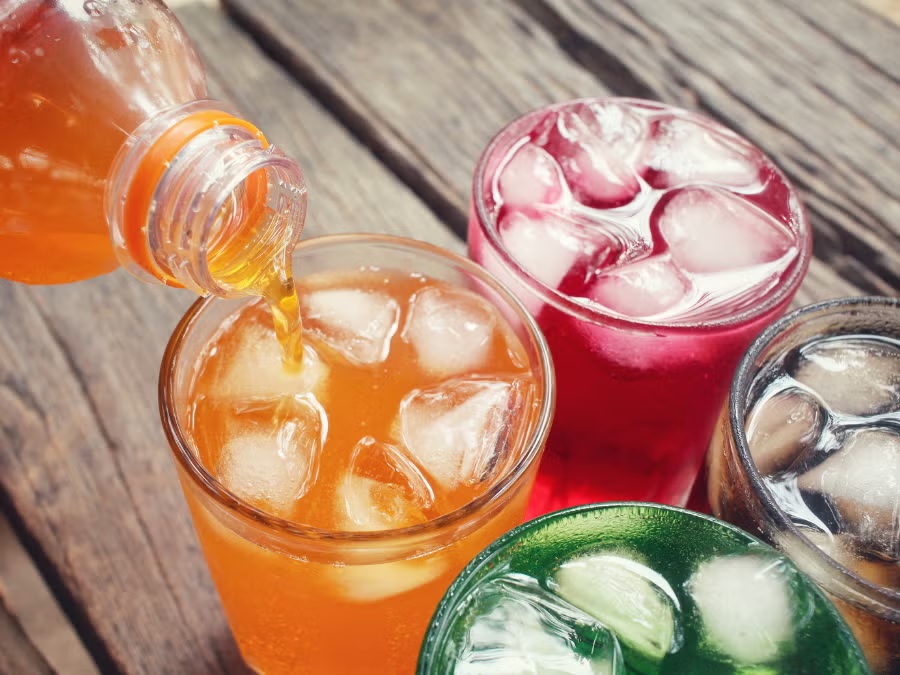
Introduction: More Than Just a Sip
Beverages are far more than mere thirst-quenchers—they are cultural symbols, personal rituals, and sensory experiences that connect people across time and geography. From the first morning cup of coffee to a celebratory glass of champagne, the world of drinks is as vast as it is vibrant. It includes everything from health-enhancing herbal teas and nutrient-packed smoothies to vintage wines and time-honored spirits. In this article, we explore the nuanced landscape of drinks and beverages, understanding their significance, evolution, and the subtle artistry behind each glass.
The Historical Significance of Beverages
Throughout history, drinks have played a vital role in shaping human civilization. In ancient Egypt, beer was considered a daily staple, often safer to consume than water. In China and Japan, tea ceremonies were elevated to spiritual practices, while in Europe, the development of wine marked an important evolution in agriculture and commerce.
-
Tea and Culture: The Chinese Tang Dynasty first elevated tea to an art form, creating formalized rituals that were later refined by the Japanese into the meticulous Chanoyu tea ceremony.
-
Wine and Trade: The Mediterranean wine trade helped lay the foundation for complex trade routes, fostering both cultural exchange and economic growth.
-
Coffee and Conversation: By the 17th century, European coffeehouses became centers of intellectual discussion, birthing what we now call the Enlightenment.
Each beverage carries with it a story, often entwined with trade, tradition, and transformation.
Categories of Beverages: A Taste for Every Palate
The beverage landscape can be broadly divided into several key categories, each offering its own unique pleasures and purposes.
1. Non-Alcoholic Beverages
These are consumed globally across all age groups and often have both functional and recreational value.
-
Water: The most essential drink, prized for purity and health. Sparkling, mineral, or infused, water remains foundational.
-
Juices: Extracted from fruits and vegetables, juices can be fresh or processed, with citrus, pomegranate, and beetroot ranking among popular choices.
-
Milk & Dairy-Based Drinks: From traditional cow’s milk to modern plant-based alternatives like almond and oat milk, dairy drinks continue to evolve.
-
Tea: Black, green, oolong, herbal—tea is both a comforting daily ritual and a wellness enhancer.
-
Coffee: Whether it’s a strong espresso, creamy latte, or cold brew, coffee caters to a variety of preferences.
-
Soft Drinks: Carbonated sodas and sweetened beverages appeal primarily to younger consumers, though the trend is shifting toward healthier options.
2. Functional and Health Drinks
With rising awareness of wellness and fitness, functional drinks are gaining remarkable traction.
-
Smoothies & Protein Shakes: Nutrient-dense and customizable, they are staples for health-conscious consumers.
-
Kombucha: A fermented tea rich in probiotics, kombucha is both trendy and gut-friendly.
-
Infused Waters & Herbal Tonics: Featuring ingredients like cucumber, mint, turmeric, or ginseng, these drinks offer subtle flavor with therapeutic value.
-
Electrolyte Drinks: Popular among athletes, they help maintain hydration and muscle function.
3. Alcoholic Beverages
Alcohol has long been associated with celebration, sophistication, and social connection.
-
Beer: From light lagers to hoppy IPAs and rich stouts, beer offers a wide flavor spectrum.
-
Wine: Red, white, rosé, and sparkling—wine appeals to refined palates and pairs beautifully with cuisine.
-
Spirits: Vodka, gin, rum, whiskey, and tequila are foundations for mixology and cocktail innovation.
-
Cocktails: Artful combinations of spirits and mixers, cocktails like the martini or mojito have become cultural icons.
The Art of Pairing and Presentation
The enjoyment of a drink is often influenced by how it is served and what it accompanies. Pairing beverages with food can elevate both elements in a meal.
-
Wine & Cheese: A classic pairing, with acidic white wines complementing soft cheeses, while bold reds pair well with aged varieties.
-
Coffee & Pastries: A European staple, the balance of bitterness and sweetness creates harmony.
-
Cocktails & Appetizers: The complexity of a cocktail can be matched with savory or spicy bites for an elevated social experience.
Presentation also plays a pivotal role. The choice of glassware, garnishes, and even the temperature at which a drink is served all contribute to its sensory appeal.
Emerging Trends in the Beverage Industry
The global beverage industry is undergoing a rapid evolution, driven by changing consumer preferences, environmental concerns, and technological innovation.
-
Sustainability: Eco-friendly packaging, reduced water usage, and ethically sourced ingredients are becoming the new standard.
-
Low and No-Alcohol Drinks: Mocktails and alcohol-free beers are catering to sober-curious consumers without compromising on flavor.
-
Artisanal and Craft Beverages: Small-batch breweries, boutique coffee roasters, and niche tea brands are gaining traction for their authenticity and quality.
-
Global Fusion: Ingredients like matcha, hibiscus, cardamom, and baobab are being used in creative blends that appeal to adventurous palates.
The Social and Psychological Role of Beverages
Beyond nutrition and pleasure, drinks often serve as vehicles for connection and self-expression.
-
Cultural Identity: National drinks—think Argentina’s yerba mate, India’s chai, or Russia’s vodka—are expressions of heritage and pride.
-
Ritual and Routine: Morning coffees, evening teas, or celebratory toasts offer structure and meaning to daily life.
-
Social Lubrication: In many societies, drinks are integral to hospitality and interpersonal bonding.
Conclusion: Savoring the Sip
In every drop lies a blend of history, culture, and innovation. The world of beverages is an endlessly fascinating tapestry—where craftsmanship meets comfort, and flavor dances with function. Whether you’re sipping a centuries-old tea blend or trying a new functional elixir, drinks remain one of the most accessible yet profound pleasures of daily life. So the next time you raise your glass, remember: you’re not just drinking—you’re participating in a global, timeless, and ever-evolving story.

