
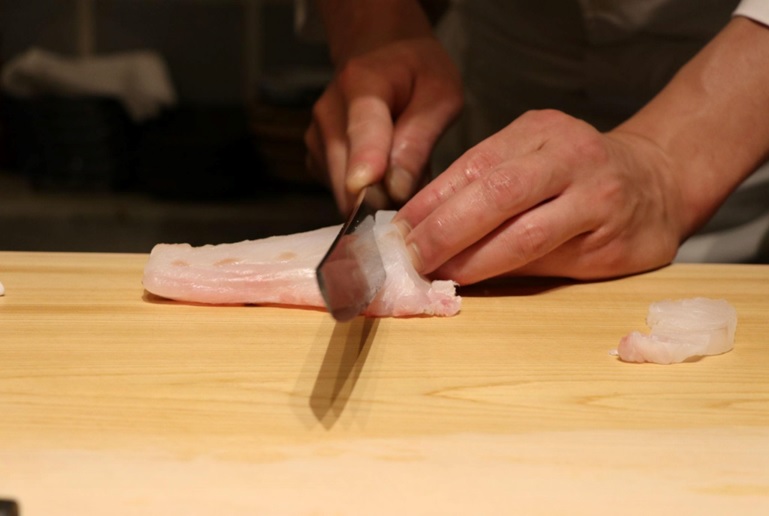
Sushi is often admired for its beauty, but behind every piece is a strict discipline built on precision, repetition, and control. While creativity exists in modern sushi, traditional sushi culture places far greater value on technique and consistency. Every slice of fish, grain of rice, and movement of the chef’s hands follows a standard designed to preserve flavor, texture, and balance.
Precision as the Foundation of Sushi
At its core, sushi is about control. The thickness of fish, the pressure used to shape rice, and the timing of preparation all influence the final taste. Even small variations can change how the ingredients interact on the palate.
This is why many sushi chefs spend years mastering basic skills before being trusted with more complex tasks. Precision ensures that every bite delivers the intended texture and flavor experience.
The Role of Repetition and Training
Sushi training is famously rigorous. Apprentices often spend long periods repeating the same actions, washing rice, slicing fish, and forming nigiri, until each movement becomes automatic.
This repetition is not about limiting creativity but about building muscle memory. Once precision becomes instinctive, chefs can maintain consistency even under pressure during busy service hours.
Why Creativity Takes a Backseat?
While modern sushi restaurants may experiment with fusion flavors or presentation styles, traditional sushi prioritizes balance over innovation. The goal is not to overwhelm the ingredients but to highlight their natural quality.
Creativity that disrupts texture, temperature, or proportion can weaken the overall experience. In this context, restraint is considered a skill rather than a limitation.
The Importance of Ingredient Respect
Precision in sushi is also about respect for ingredients. Fresh fish is handled with care to preserve structure, while rice is seasoned to achieve a specific harmony of flavor. Every element is treated intentionally rather than altered excessively.
This disciplined approach ensures that the natural qualities of each ingredient remain the focus of the dish.
Consistency as a Form of Mastery
A skilled sushi chef is judged not by occasional brilliance but by consistent excellence. Every piece served should meet the same standard, regardless of time, fatigue, or environment.
This level of consistency requires discipline, patience, and a deep understanding of technique. It reflects years of dedicated practice rather than spontaneous creativity.
Final Thoughts
In sushi, precision is more important than creativity because it protects the integrity of the ingredients and the dining experience. While innovation has its place in modern cuisine, traditional sushi remains rooted in discipline, repetition, and respect for detail. Mastery is not about doing something different each time—it is about doing the same thing perfectly, again and again.
This post was written by a professional at Suhi Inc. Sushi Inc. is a vibrant restaurant that offers what is considered the most authentic sushi in downtown St. Petersburg. Opening its doors in 2013 and becoming a local staple by offering live music, traditional hand-rolled sushi, and a friendly atmosphere, our guests always have a top-notch experience. Customers love our award-winning, fresh, and creative Sushi rolls, Nigiri, and Sashimi. With a larger selection of tempura, non-Sushi, and teriyaki options, we can accommodate every taste.

