
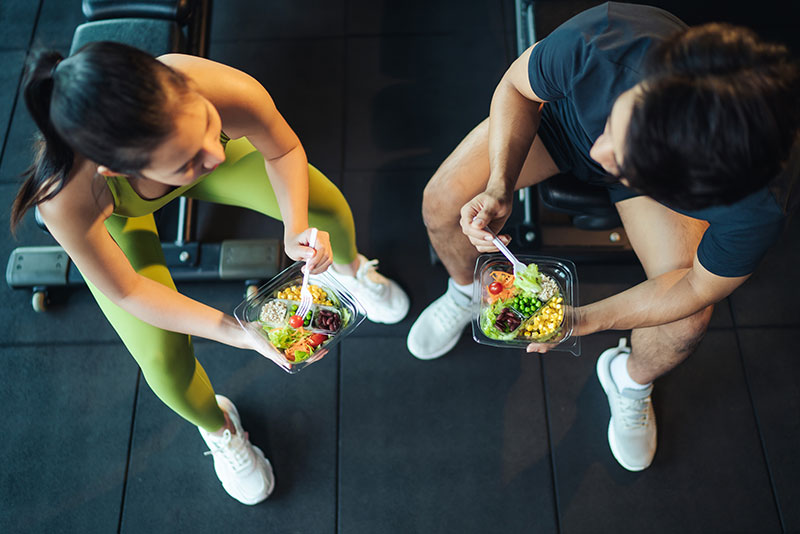
You have booked your slot, charged your phone, and packed your sweat towel. But what you put into your body in the hours surrounding your spin class will determine whether you ride hard, recover fast, and walk out feeling genuinely energised, or whether you drag through every interval, hit a wall at the halfway mark, and feel wrecked for the rest of the day.
Nutrition for indoor cycling is not complicated, but it is specific. The demands of a spin class at a spin studio Singapore are different from a casual jog or a weights session, and the fuelling strategy needs to reflect that difference. In Singapore’s tropical climate, where heat, humidity, and sweat rates add additional variables, getting this right matters more than it would in a temperate training environment.
Understanding What Your Body Needs During a Spin Class
Before deciding what to eat, it helps to understand what your body is actually burning during an indoor cycling session. Spin classes, particularly high-intensity formats like MeteoRIDE, Extreme Ride, and ICE Bootcamp, operate predominantly in the anaerobic and high-aerobic energy zones. This means the primary fuel source is glycogen, which is the stored form of carbohydrate found in your muscles and liver.
Fat is burned during exercise, but at high intensities, the body cannot oxidise fat fast enough to meet energy demands. It relies on glycogen. When glycogen stores are depleted, performance crashes hard and fast. This is the physiological explanation for what cyclists colloquially call “bonking” or hitting the wall, a sudden and severe drop in energy and power output that makes completing the class feel nearly impossible.
The practical implication is clear: arriving at a spin class with well-stocked glycogen stores is essential for sustaining quality effort from the warm-up through to the final sprint. This is achieved through adequate carbohydrate intake in the meal preceding your session.
Pre-Spin Meal Timing and Composition
The timing of your pre-class meal matters almost as much as its content. Eating too close to class leaves undigested food in your stomach during intense effort, which causes discomfort, nausea, and cramping. Eating too far in advance leaves you with depleted glycogen by the time class starts.
The recommended window for a full pre-class meal is 90 minutes to two hours before your spin session. This allows sufficient digestion time while ensuring that the carbohydrates from your meal are available as glycogen by the time you clip in.
If you are training early in the morning and cannot manage a full meal 90 minutes before a 7am class, a smaller, easily digestible carbohydrate snack 30 to 45 minutes before class is the practical alternative. A banana, a slice of plain toast with a thin spread of peanut butter, or a small serving of oats with water and a pinch of salt all fall within this category.
The Ideal Macronutrient Balance Before Spin
Your pre-spin meal should be carbohydrate-dominant, moderate in protein, and low in fat and fibre. Fat and fibre both slow gastric emptying significantly, which means they extend the time it takes for your meal to move through the stomach. During a high-intensity spin class, blood is diverted away from the digestive system toward the working muscles. A meal that is still sitting heavily in your stomach during this redirection causes nausea and discomfort.
The target composition for a pre-spin meal is roughly 60 to 65 percent of calories from carbohydrates, 20 to 25 percent from protein, and 10 to 15 percent from fat. This means avoiding fried foods, high-fat dairy, and heavy meat dishes in the meal preceding your class.
What to Eat Before Spin at Singapore Hawker Centres
One of the practical realities of training in Singapore is that many gym-goers eat at hawker centres, food courts, or kopitiams before and after their workouts. The good news is that Singapore’s food culture includes several options that align well with pre-spin nutritional needs.
Soft-boiled eggs with kaya toast and a cup of black coffee or kopi-o is a classic Singapore breakfast that works well as a pre-spin meal approximately 90 minutes before class. The toast provides fast-acting carbohydrates, the eggs contribute protein, and the caffeine in the coffee has a well-documented performance-enhancing effect on endurance exercise.
Economy rice with steamed fish or steamed chicken and a small serving of white rice hits the carbohydrate and protein targets cleanly. Request a minimal sauce option to control the fat content. Avoid the braised pork, coconut-based curries, and anything deep-fried in the meal before training.
Congee or teochew porridge with preserved egg and lean protein is highly digestible, low in fat, and rich in easily accessible carbohydrates. This makes it an excellent option for those who find heavier meals uncomfortable before intense exercise.
What to Avoid Before a Spin Class
Nasi lemak is one of Singapore’s most beloved breakfasts, but it is also a pre-spin disaster. The coconut milk rice, fried chicken or fish, sambal with oil, and fried egg combine to produce a high-fat, high-calorie meal that sits heavily in the stomach and is slow to digest. Eating nasi lemak 90 minutes before a MeteoRIDE class will almost certainly result in discomfort during the session.
Char kway teow and mee goreng are similarly problematic. Both are high in fat from the wok frying process, which extends gastric emptying time significantly. The heavily seasoned, oily nature of these dishes makes them poor choices in the two hours before intense exercise.
Full Indian set meals with significant amounts of ghee, heavy curries, and fried breads are best saved for post-workout recovery meals on rest days. The richness and fat content of a full Indian meal makes it physiologically incompatible with comfortable high-intensity cycling in the short term.
Post-Spin Nutrition and the Recovery Window
The 30 to 45 minutes following a spin class is arguably the most nutritionally important window in your training day. During this period, your muscles are in a heightened state of glycogen uptake and protein synthesis. The enzymes responsible for rebuilding glycogen stores are maximally active, and the muscle fibres that were stressed during class are primed for repair and growth.
Capitalising on this window requires consuming both carbohydrates and protein relatively quickly after class. The general guideline is a ratio of three to four grams of carbohydrates for every one gram of protein for maximum glycogen replenishment and muscle repair.
Practical post-spin options in Singapore include a protein shake paired with a banana or a small serving of fruit, which can be prepared in advance and consumed immediately post-class. Yong tau foo with extra tofu and a clear broth base provides lean protein, carbohydrates from the tofu skin and other fillings, and is light enough to digest comfortably after intense exercise. Greek yoghurt with granola and fresh fruit is a convenient option if you have access to a convenience store or supermarket near the studio.
For those who prefer a cooked meal post-class, steamed chicken rice with a light soy sauce base and a side of blanched vegetables covers the macronutrient requirements cleanly and is available at virtually every hawker centre in Singapore.
Hydration in Singapore’s Tropical Climate
Singapore’s humidity creates sweat rates during exercise that are meaningfully higher than what most people experience in temperate training environments. During a 60-minute high-intensity spin class in Singapore, it is reasonable to expect sweat losses of one to 1.5 litres or more depending on individual physiology and class intensity. This is not purely water loss. Sodium, potassium, magnesium, and chloride are all lost in sweat, and depleting these electrolytes affects muscle contractility, nerve function, and fluid balance.
Hydration strategy needs to begin before class, not during it. Drinking 400 to 600ml of water in the two hours before your session ensures you arrive euhydrated rather than starting class already in mild deficit. Sipping 150 to 200ml of water every 15 to 20 minutes during class maintains fluid balance during the session.
After class, coconut water is a culturally accessible and physiologically appropriate rehydration option in Singapore. It provides natural sodium and potassium in proportions that support electrolyte replenishment. It is not as sodium-rich as a purpose-formulated electrolyte drink, but for moderate rehydration needs after a single spin session, it covers the essentials adequately.
TFX Singapore classes are intense by design, which means your nutritional and hydration approach needs to be equally intentional if you want to ride well consistently and recover fast enough to keep showing up at your best.
FAQ
Q: Can I spin on an empty stomach to burn more fat?
A: Fasted spin is a strategy some people use based on the premise that exercising without carbohydrate availability forces the body to rely more on fat oxidation. In practice, this approach reduces performance during high-intensity classes significantly. At the effort levels of MeteoRIDE or Extreme Ride, your body requires glycogen it simply cannot produce from fat fast enough. Fasted training is better suited to low-intensity steady-state exercise, not high-intensity interval-based spin classes where you need to sustain hard efforts through sprints and climbs.
Q: How much water should I drink during a 60-minute spin class?
A: Aim for 150 to 250ml every 15 to 20 minutes during class. In Singapore’s climate, even in an air-conditioned studio, sweat rates are higher than in temperate conditions. Having a 750ml to one-litre bottle at your bike allows you to drink freely without rationing. Thirst is a lagging indicator of dehydration, so drinking on a schedule rather than waiting until you feel thirsty is the safer approach during intense exercise.
Q: Is it okay to eat chicken rice two hours before a TFX spin class?
A: Hainanese chicken rice with steamed chicken and plain white rice, ordered without additional oil or fatty sauces, is a reasonable pre-spin meal at the two-hour mark. The white rice provides accessible carbohydrates, and the steamed chicken contributes lean protein. The key is choosing steamed rather than roasted chicken to keep fat content lower, and avoiding the chilli and ginger sauces right before class if your digestive system is sensitive.
Q: What is the best post-spin protein source that is easy to find in Singapore?
A: Tofu and soy-based proteins are highly accessible at Singapore hawker centres and food courts and provide a complete amino acid profile. Steamed or grilled fish available at most economy rice stalls is another excellent option. For convenience, a protein shake using a whey or plant-based protein powder mixed with water and consumed immediately post-class is the most time-efficient option when you need to get back to work or other commitments quickly.
Q: Should I take pre-workout supplements before an intense MeteoRIDE class?
A: Caffeine is the one supplement with consistent scientific backing for improving endurance performance, power output, and focus during intense exercise. A moderate dose of 3 to 6 milligrams per kilogram of body weight consumed 45 to 60 minutes before class can meaningfully improve performance in a session like MeteoRIDE. A cup of kopi or black coffee from any kopitiam provides this dose in a familiar, affordable, and readily available form without the need for proprietary pre-workout products. Avoid high-stimulant pre-workout supplements if you are caffeine-sensitive or training in the evening.

