
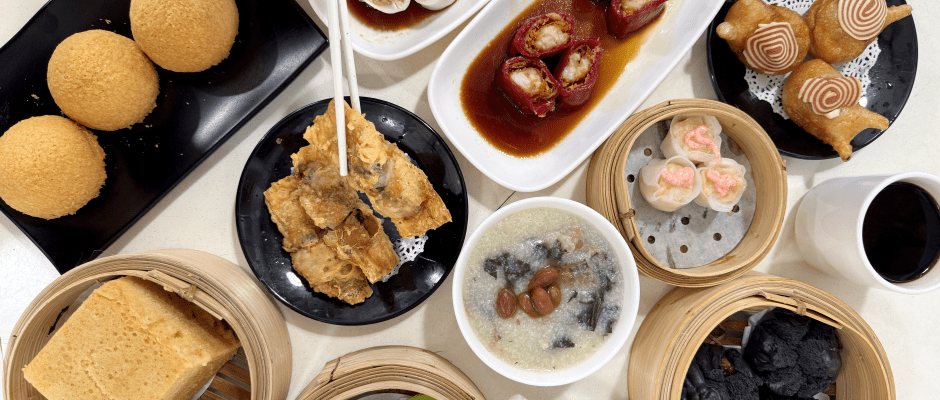
Introduction: More Than Just a Bite
Food is no longer merely sustenance; it is an experience, a performance on a plate. In this culinary renaissance, food reviews have emerged as powerful instruments—guiding tastebuds, shaping reputations, and influencing dining trends around the world. From casual blog posts to Michelin-starred critiques, the practice of evaluating food has matured into a sophisticated blend of storytelling, sensory description, and cultural reflection. But what makes a good food review? How does it affect chefs, diners, and even the broader food industry?
The Evolution of Food Reviews
Food reviews have journeyed a long way from dry, newspaper columns penned by anonymous critics. In the past, a single review in a respected print publication could make or break a restaurant. Today, the democratization of opinion via social media, blogs, and video platforms has amplified the reviewer’s voice, whether professional or amateur. Yet the core mission remains unchanged: to capture and communicate the essence of a dining experience.
While platforms like Yelp, TripAdvisor, and Zomato thrive on quantity and crowd-sourced impressions, high-end critics in publications such as The New York Times or Bon Appétit prioritize narrative, nuance, and culinary literacy. Regardless of the platform, the most effective food reviews transcend opinion and delve into the artistry, culture, and context of the cuisine.
The Anatomy of a Compelling Food Review
Crafting an impactful food review is both a science and an art. It requires more than simply declaring a dish “delicious” or “bland.” A meaningful critique embraces several essential elements:
1. Contextual Awareness
-
What is the chef attempting to achieve?
-
How does the restaurant’s concept influence its menu?
-
Is the cuisine traditional, fusion, or experimental?
2. Sensory Detailing
-
Flavor: Is it bold, subtle, balanced, or overpowering?
-
Texture: Is there a deliberate contrast or harmony in mouthfeel?
-
Presentation: Is the dish visually appealing and thematically aligned?
-
Aroma and Temperature: Often overlooked, but powerfully influential
3. Service and Ambience
-
Are the staff knowledgeable, attentive, and warm?
-
Does the atmosphere enhance or diminish the experience?
4. Narrative Flow
The best food reviews read like travelogues or love letters. They draw the reader into the moment—the first crunch of a tempura prawn, the perfume of truffle oil wafting from risotto, the nostalgic warmth of a family-run bistro.
5. Fair Criticism
A professional review must maintain a balance between admiration and honesty. Even the most exalted chefs have off nights. A review should evaluate with discernment, not disdain.
The Influence of Food Reviews
Food reviews possess a ripple effect far beyond the plate. For diners, they serve as a guidepost—an introduction to unfamiliar cuisines, an alert to hidden gems, or a warning about overhyped venues. For restaurateurs and chefs, they are both a mirror and a magnifying glass, offering external perspectives that may affirm or challenge their creative direction.
Positive Reviews Can:
-
Drive reservations and foot traffic overnight
-
Earn media attention and awards
-
Solidify a brand identity
Negative Reviews May:
-
Spark necessary change and refinement
-
Invite controversy or discussion
-
In extreme cases, shutter a business
Yet, it’s crucial to remember that reviews are inherently subjective. What delights one palate may bore another. This is why the best reviewers contextualize their preferences and avoid sweeping generalizations.
The Rise of Digital Tastemakers
Social media has birthed a new generation of food critics—Instagram influencers, YouTube vloggers, TikTok chefs. While some traditionalists question their credibility, others recognize the power of visual storytelling in today’s food culture.
Unlike traditional reviews, which rely on prose, digital content creators lean heavily on aesthetics, engagement, and relatability. A 15-second clip of sizzling steak or a “first bite” reaction can go viral, introducing millions to a new dish or destination. However, brevity often sacrifices depth, leaving room for interpretation and sometimes misinformation.
Still, many of today’s top-tier food writers embrace the digital shift, integrating high-quality photography, curated playlists, and interactive maps with their written work. This multimedia approach enriches the sensory experience and keeps the audience engaged.
The Responsibility of the Reviewer
With influence comes responsibility. Ethical food reviewing involves more than clever phrasing or viral moments—it demands integrity. A review should never be influenced by freebies, personal bias, or vendettas. Disclosure, honesty, and transparency are the pillars of trustworthy criticism.
Reviewers must also be culturally sensitive. As global palates expand, it’s vital to appreciate culinary traditions without imposing Western standards or personal expectations. A poorly lit family-run Ethiopian restaurant may not boast Michelin presentation, but its injera and doro wat may carry generations of heritage and skill.
Why Food Reviews Still Matter
In a world increasingly flooded with opinions, the curated insight of a thoughtful food reviewer still holds weight. People seek not just a place to eat, but a memorable experience—a narrative to accompany the flavor. Whether it’s a gourmet tasting menu or a humble bowl of pho, a review offers readers the chance to dine vicariously and with discernment.
Moreover, food reviews archive the cultural evolution of cuisine. They capture not only trends and flavors, but also societal shifts—such as the rise of plant-based menus, zero-waste kitchens, and inclusivity in fine dining.
Conclusion: A Taste of Language, A Feast for the Mind
Food reviewing, when executed with grace, knowledge, and integrity, is a beautiful fusion of the culinary and the literary. It honors the craft of cooking while celebrating the personal, emotional resonance of eating. As the dining world grows more interconnected, the role of the food reviewer will continue to evolve—but its essence remains timeless: to help us taste not just with our mouths, but with our minds.
Whether penned by a seasoned critic or shared by a passionate enthusiast, a well-crafted food review is a passport to culinary exploration—a journey of flavors, stories, and soul.

