
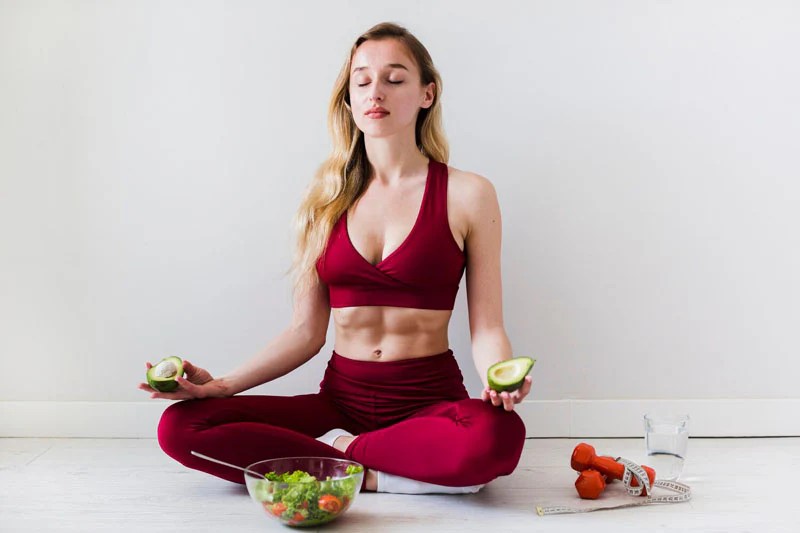
Most nutrition advice written for yoga practitioners assumes you live somewhere with easy access to smoothie bars, organic grocery stores, and cold-pressed juices. In Singapore, the honest reality for most people is a hawker centre downstairs, a kopitiam on the way to the MRT, and a cafeteria at the office. This article is written for that reality.
When you are attending yoga classes near me regularly, whether it is a morning Hatha class before work, a lunchtime Yin session, or an evening Vinyasa after the office, what you eat and when you eat it has a direct and measurable effect on how your body performs, recovers, and adapts. Getting this right does not require expensive superfoods or complicated meal prep. It requires understanding a few physiological principles and applying them to the food that is already available to you.
Why Nutrition Timing Matters More Than Most People Realise
The body’s ability to move through yoga postures, maintain breath control, and recover between sessions is directly tied to the fuel available at the right time. Two common mistakes Singaporeans make are practising on a completely empty stomach because they heard that yoga should be done fasted, and eating a full meal too close to class and spending the session fighting nausea during forward folds.
The truth sits between these extremes and depends specifically on the type of class you are attending.
For active, dynamic classes such as Hot Vinyasa, Core Yoga, Power Reformer, or Ashtanga, your muscles require glycogen, which is the stored form of glucose, to perform well. Practising these classes in a fully fasted state, particularly in a heated room, increases the risk of light-headedness, muscle cramps, and a significant drop in energy during the second half of class. A small, easily digestible meal one to two hours before these classes is not optional. It is physiologically necessary.
For stillness-based, passive classes such as Yin Yoga, Yoga Nidra, Restorative, or Gentle Yoga, the digestive system is a far more important consideration. Forward folds, supine twists, and prone poses compress the abdomen and can feel deeply uncomfortable if you have eaten a full meal within two hours of class. For these formats, it is appropriate to practise with less food in the stomach, or to ensure that your last meal was light and at least two hours prior.
Mapping Singapore Food to Your Yoga Day
Before an active morning class
If you practise at 7am or 8am and cannot eat a full meal beforehand, a small, easily digested option 30 to 45 minutes prior is sufficient. A ripe banana works well because it provides immediate glucose, potassium for muscle function, and is gentle on the stomach. Plain biscuits or a small packet of crackers are also serviceable. If you prefer something from the kopitiam, a half-portion of plain congee, specifically the version without heavy toppings, provides digestible carbohydrate without fat or fibre that slows gastric emptying. Avoid kaya toast with a full set of eggs and kopi before a morning power class. The fat content in the butter and the caffeine jolt from local coffee will not serve you as well as the aroma suggests.
Before an active evening class
Most Singaporeans attend evening classes after work, which means the last meal was likely lunch at noon or 1pm. By 6pm or 7pm, blood glucose is dropping, energy is flagging, and this is not the ideal state in which to begin a demanding yoga session. A light snack at 4pm or 5pm makes an enormous practical difference. Suitable options that are easily found in Singapore office buildings and food courts include a small cup of plain tau huay, which is silken tofu, a light bowl of clear soup, a small banana, or a handful of plain nuts. These provide enough substrate to maintain energy through class without sitting heavily in the stomach.
Before a Yin, Restorative, or Yoga Nidra class
These classes invite the body into genuine stillness and require digestive ease above all else. A meal two to three hours before class is ideal. If you are attending a lunchtime Yin class, a breakfast of steamed eggs or plain porridge with light accompaniments three hours earlier works well. If your Yin class is in the evening, a light dinner of steamed fish with rice, or clear noodle soup without heavy oil or chilli, eaten at least two hours before class, allows the digestive system to settle sufficiently.
What to Eat After Class: Recovery Nutrition by Class Type
Post-class nutrition is where most practitioners, regardless of experience level, leave significant recovery value on the table.
After hot yoga, Power Reformer, or Core Yoga
These sessions deplete glycogen, create micro-damage in muscle tissue, and generate significant fluid and electrolyte loss through sweat. Within 45 minutes of finishing class, a meal or snack that combines carbohydrate to replenish glycogen and protein to begin muscle repair is physiologically optimal. In Singapore’s food landscape, this is genuinely accessible. Steamed chicken rice without skin, eaten with the soup, provides complete protein, easily digestible carbohydrate, and some electrolytes from the broth. A bowl of yong tau foo with clear soup and tofu-based choices provides protein and carbohydrate without excessive fat. Fish porridge eaten promptly after class is another well-suited option. What to avoid immediately after an intense session is a meal heavy in fried foods or coconut milk, not because these foods are permanently off-limits, but because saturated fat slows gastric emptying and delays the protein absorption your muscles need during the recovery window.
After Hatha, Vinyasa, or Pilates
These classes are moderately demanding and require a balanced post-class meal rather than an urgent recovery snack. Your usual meal, timed within one to two hours after class, is sufficient. Focus on including a protein source, a portion of whole food carbohydrate, and some vegetables. Local options that fit this profile well include ban mian with egg and leafy greens in a clear broth, minced pork porridge with century egg, or mixed rice with a steamed protein, vegetables, and minimal fried items.
After Yin, Restorative, or Yoga Nidra
The body is in a deeply parasympathetic state after these classes, and the digestive system is actually functioning at its best. These are excellent classes to attend before a relaxed dinner. A warm, nourishing meal that is not overly stimulating supports the nervous system recovery that these classes initiated. Warm soups, congee, and lightly cooked vegetables are ideally aligned with the post-restorative state. Avoid immediately transitioning to alcohol, heavy fried food, or highly stimulating meals, as these re-activate the sympathetic nervous system and undo part of what the class just achieved.
Hydration: The Factor Most Singaporeans Underestimate
Singapore’s humidity and heat create baseline dehydration risk that is higher than most countries. Walking to the MRT in 32-degree heat, sitting in aggressively air-conditioned offices, and drinking insufficient water throughout the day means that many Singaporeans arrive at yoga class already mildly dehydrated.
For non-heated classes, drinking 500ml of water in the hour before class and maintaining regular water intake throughout the day is sufficient. For hot yoga classes, the target should be closer to 750ml to 1 litre in the hours before class, with steady sipping during class and at least 500ml of rehydration after. Plain water is adequate for most classes. For sessions lasting over 90 minutes in heat, adding electrolytes, either through a low-sugar electrolyte tablet or by drinking light coconut water after class, supports more complete hydration recovery.
What does not support hydration before yoga is local coffee taken within one hour of a heated class. Caffeine is a mild diuretic, and combined with the heat of the studio, it increases the dehydration risk meaningfully. If you rely on a pre-class kopi or teh, shift it to at least 90 minutes before a heated session and follow it with plain water.
Foods That Consistently Undermine Your Yoga Practice
Beyond timing, there are categories of food that, when eaten close to class, create predictable problems that are worth knowing about.
High-fibre foods such as raw salads, raw vegetables, and whole legumes eaten within two hours of class frequently cause discomfort during twisting poses, forward folds, and compression sequences. Fibre is genuinely healthy, but its place in your yoga-day eating is in meals consumed well before or after class, not immediately adjacent to it.
Heavily spiced or chilli-laden food eaten within two hours of class creates heartburn risk that is amplified in heated studios and during inversion or back-bending postures. The char kway teow, the black pepper crab, and the curry that Singapore does so extraordinarily well all belong at dinner after class, not in the meal before it.
Carbonated drinks introduce gas into the digestive system that becomes acutely uncomfortable during forward folds and supine twists. This is one of the simplest and most overlooked adjustments for practitioners who notice persistent discomfort during class.
Yoga Edition practitioners come from every part of Singapore’s diverse food culture, and the approach above is designed to work within that culture rather than replace it. Your hawker centre staples, your morning kopitiam ritual, and your family dinner traditions are all compatible with a consistent yoga practice. The adjustments required are about timing and portion, not about eating differently from everyone around you.
Frequently Asked Questions
Q. I practise early in the morning and cannot stomach food before class. What should I do?
A. For gentle or restorative morning classes, practising in a light fasted state is generally fine. For active morning classes, even a small piece of fruit or a few plain biscuits 30 minutes before class is better than nothing. Over time, your body often adapts to eating before early practice as the routine becomes established.
Q. Is it true that yoga should always be practised on an empty stomach?
A. This is a traditional guideline that applies most strictly to intensive Ashtanga and power practices. For restorative, Yin, and gentle formats, a small light meal one to two hours prior is perfectly appropriate and often improves the quality of practice by preventing blood sugar drops that create mental restlessness.
Q. I often feel dizzy during hot yoga class. Could my pre-class eating be causing this?
A. Dizziness during hot yoga is most commonly caused by dehydration or hypoglycaemia, which is low blood sugar. Ensure you are well hydrated before class and have eaten a small carbohydrate-containing snack one to two hours prior. If dizziness persists despite these adjustments, inform your instructor and consult your doctor.
Q. Can I drink coffee before yoga?
A. A moderate amount of coffee two or more hours before a non-heated class is generally fine for most practitioners. Before hot yoga, it is better avoided within 90 minutes of class because of its mild diuretic effect combined with the dehydrating environment of the studio. Green tea is a gentler alternative if you want a mild stimulant before an early session.
Q. What is the best thing to eat after a Bikram Hot90 class in the evening?
A. Rehydrate first with water or light coconut water, then within 45 to 60 minutes eat a meal that includes protein and digestible carbohydrate. Steamed chicken with plain rice, clear noodle soup with a protein source, or a bowl of fish porridge all work well. Avoid heavy, fried, or high-fat meals immediately after an intense heated session.
Q. Are there any Singapore foods that are particularly good for yoga practitioners to eat regularly?
A. Silken tofu is an excellent source of plant protein with minimal digestive burden. Plain congee is one of the most easily digested carbohydrate sources available. Steamed fish provides high-quality protein and omega-3 fatty acids that support joint health and inflammation management. Clear soups provide hydration, electrolytes, and nourishment without digestive heaviness. These are all everyday, affordable hawker staples that align very well with the nutritional needs of a consistent yoga practice.

