
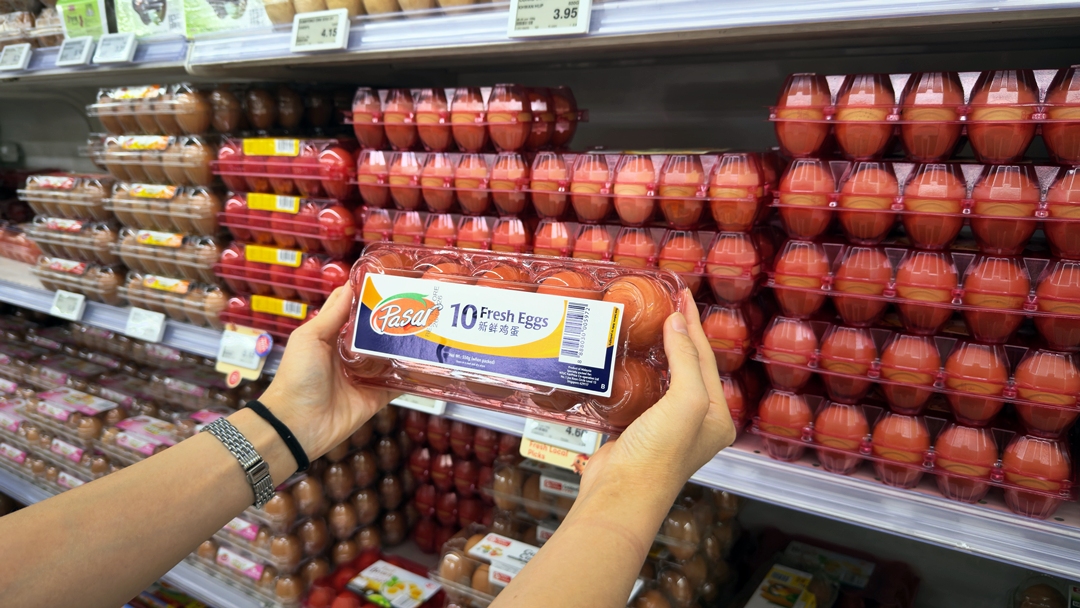
An egg tray is a small document, and most shoppers never read it. Printed on the lid and sometimes on the shells themselves is nearly everything worth knowing: where the eggs were laid, how heavy they are, how they were treated and how long they will keep. Buyers of eggs in singapore supermarkets, wet markets and web shops are choosing among cartons that look alike and differ a good deal. This piece goes round the box panel by panel.
Panel One: Where They Came From
The island produces only part of what it eats. A handful of local farms supply a share, and the remainder arrives from overseas farms that the Singapore Food Agency has assessed and accredited. Sources span several countries, a deliberate spread so that a disease outbreak or export curb in one place does not empty the shelves. The country of origin should appear on the pack. Neither local nor imported is automatically better; freshness depends more on time and handling than on distance.
Panel Two: The Code on the Shell
Pick up an egg and look for small inked characters. Shells are commonly stamped with a code that points back to the farm of origin, which lets the authorities trace a batch if a problem is found. For the shopper, the stamp is mainly reassurance that the egg entered through the regulated channel. An unmarked egg of unknown source, sold loose from an unlabelled tray, lacks that assurance, however rustic and appealing it may look.
Panel Three: Size Words and What They Weigh
Terms such as medium, large and extra large describe weight bands, not quality. Bigger is not fresher or more nutritious per gram; it is simply more egg. Recipes written for baking usually assume a mid-sized egg, so a tray of jumbos can throw a cake off. For frying or boiling, choose by appetite and by cost per egg. Some packs give a net weight for the whole tray, which makes comparing two brands straightforward.
Panel Four: The Dates
Every pack carries a date mark, usually an expiry or best-before date and occasionally a packing date too. The packing date is the more informative, as it shows how long the eggs have already been in the system. When shopping in store, reach for the tray with the latest date at the back of the stack. When ordering from an egg farm’s online shop, the interval between laying and delivery is typically shorter, since the tray skips the distribution centre and the shelf.
Panel Five: Fresh, Pasteurised, or Something Else
Ordinary shell eggs are raw and should be cooked through. Pasteurised shell eggs have been gently heat-treated to reduce bacteria while remaining liquid inside, and are the sensible choice for half-boiled breakfasts, mayonnaise, tiramisu and anything served runny. The word must be on the label; do not assume. Liquid and powdered egg products exist for caterers. If a household includes small children, pregnant women, older relatives or anyone unwell, the pasteurised tray earns its extra cost.
Panel Six: Nutrition Claims
Cartons advertise added omega-3, vitamin E, lutein, selenium or reduced cholesterol. These effects come from adjusting the hens’ feed and are real in the narrow sense that the measured content differs. Whether the difference matters to a person eating a varied diet is a separate question, and the claim on a box is not a health promise. Read the nutrition panel for actual figures per egg and decide whether the premium buys anything you would notice.
Panel Seven: How the Hens Lived
‘Kampung’, ‘free-range’, ‘cage-free’ and ‘barn-laid’ describe housing, and their meanings depend on the standards of the producing country or of any certification named on the pack. A logo from a recognised scheme carries more weight than an adjective in a nice typeface. These eggs often have deeper yolks because of breed and feed, but shell colour itself, brown or white, reflects the breed of hen and says nothing about nutrition.
What the Box Cannot Tell You
No label reports how the tray has been kept since it left the farm. Look at the eggs themselves. Lift the lid in the shop: shells should be clean, dry, uncracked and free of smears. Reject a tray with even one leaking egg, because bacteria travel. Notice where the retailer keeps its stock. A stack in a cool, shaded aisle is fine; one beside a sunny entrance or a warm bakery counter has aged faster than its date suggests.
Once the Tray Is Home
Put eggs in the refrigerator promptly and leave them in their carton, pointed end down. The box shields them from odours and from the temperature swings of the door shelf, and it keeps the date in view. Do not wash them before storage, since water can draw surface bacteria through the porous shell. Wash hands after handling raw egg, and use up any cracked on the way home that same day, fully cooked.
A Buyer’s Reading Order
Standing at the shelf, read in this sequence: date first, then treatment, then size, then origin, and claims last. Open the lid and inspect. Buy what will be eaten within two or three weeks instead of the biggest tray on offer. Households that go through many eggs, or want them very fresh, can arrange regular delivery direct from a producer and take the retail shelf out of the chain altogether. Either way, the box has already told you most of what matters.

