
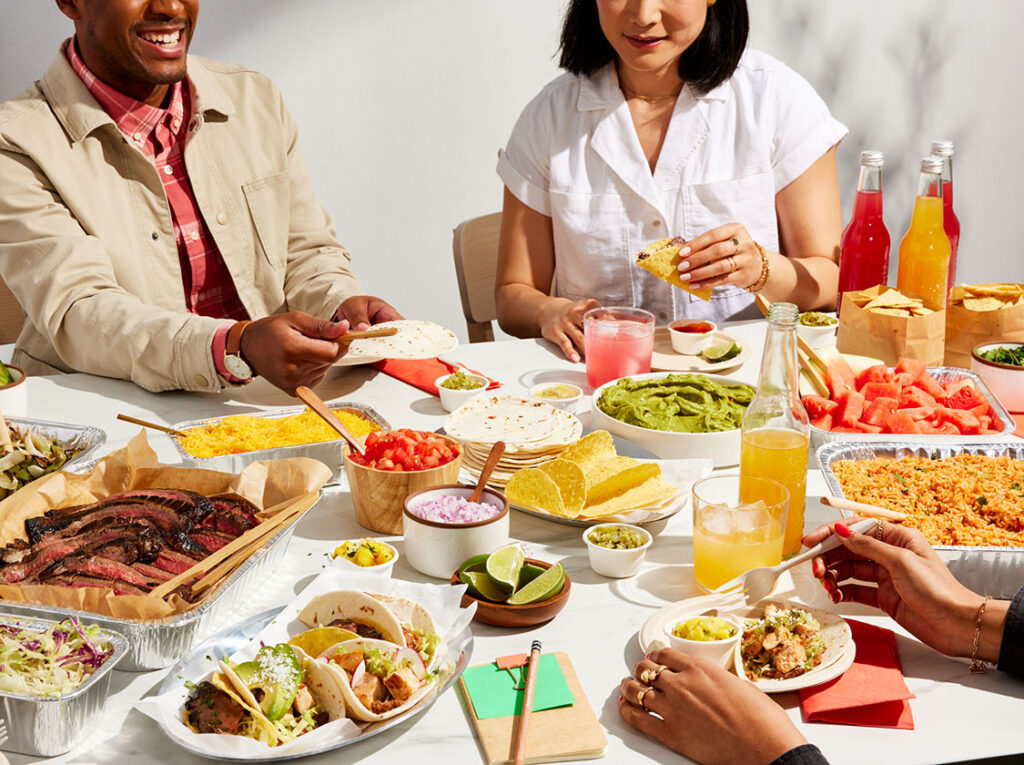
Introduction: More Than Just a Meal
Food is one of the most elemental aspects of life, yet its significance stretches far beyond sustenance. It is history on a plate, emotion in a bite, and identity in a recipe. From the bustling street markets of Bangkok to the quiet dining rooms of Tuscany, food speaks a universal language, one rooted in culture, memory, and human connection. While the flavors, ingredients, and preparations may differ vastly across continents, the central role of food as a bearer of tradition and a facilitator of togetherness remains unchanged.
Food as Cultural Expression
Every dish carries the story of a people. Through food, we learn about geography, climate, migration, and even conquest. A single bite of biryani whispers tales of Mughal emperors and Persian spices; a spoonful of gumbo echoes the deep soul of the American South and the resilience of Creole heritage. Cuisine is, in many ways, a living archive of history.
Regional Cuisines and Identity
Each region of the world cultivates its own distinct culinary identity:
-
Italy thrives on regional diversity: rich risottos of the north, rustic pasta of the south, and the world-renowned pizzas of Naples.
-
Japan presents a refined, minimalist aesthetic with sushi, sashimi, and umami-laden broths at the heart of its offerings.
-
India showcases a kaleidoscope of flavors, where spices dance in harmony and vegetarianism finds elegant expression.
Food becomes a badge of pride, a cornerstone of national identity, and often, a soft power tool that connects a country to the global palate.
The Science and Art of Nourishment
Beyond its cultural weight, food is intrinsically linked to our biology. The human body, elegant in its complexity, relies on food not only for energy but also for optimal function. The macro and micronutrients present in our meals—proteins, fats, carbohydrates, vitamins, and minerals—are the building blocks of life.
The Role of Nutrition
In the modern age, nutrition has taken center stage, with increasing awareness about food’s role in disease prevention and overall wellness. The concept of “you are what you eat” has gained scientific credence. Balanced diets rich in whole foods are celebrated, while ultra-processed items face scrutiny.
Yet, in this pursuit of health, it is crucial not to lose sight of the joy food brings. The act of eating should remain a pleasure, not merely a mechanical ritual aimed at calorie management.
Emotional and Social Bonds
Food is one of the few experiences that simultaneously nourishes the body and soul. It is at the center of human celebration, grieving, and healing. We associate food with some of our most cherished memories—grandmother’s stew, birthday cakes, holiday feasts.
Eating Together: The Communal Experience
The table has always been a place of convergence:
-
Families reconnect over dinner after a long day.
-
Friends forge deeper bonds over shared meals.
-
Communities gather in rituals and festivals that revolve around food.
In a world that is increasingly digital and fast-paced, the act of sitting down to a meal with others holds radical power. It anchors us, reminding us of our shared humanity.
The Evolving Landscape of Food
As the world changes, so does our relationship with food. Climate change, globalization, and technological innovation are reshaping how we grow, access, and consume what we eat.
Sustainability and Conscious Consumption
Today, the global food system faces pressing challenges:
-
Environmental Impact: Agriculture is a major contributor to greenhouse gas emissions, deforestation, and water scarcity.
-
Food Waste: Roughly one-third of all food produced globally goes to waste, even as millions remain undernourished.
-
Ethical Concerns: Consumers are increasingly asking hard questions about animal welfare, fair trade, and food equity.
In response, there has been a surge in sustainable practices—farm-to-table movements, plant-based diets, and innovations like lab-grown meat are gaining traction. These changes signal a more conscious, forward-thinking approach to what ends up on our plates.
Culinary Creativity: Food as Art
Chefs around the world are elevating food to high art. Modern gastronomy blends science, design, and storytelling to craft dishes that dazzle not just the palate but also the imagination. Through experimentation and reinvention, traditional recipes are being reinterpreted in exciting new forms.
From the molecular cuisine of Ferran Adrià to the poetic simplicity of Alain Passard’s vegetable-forward dishes, the culinary arts now share space with painting and music in the gallery of human creativity.
Food in the Digital Age
Social media has given food a new stage. Platforms like Instagram and TikTok have turned the humble plate into a visual spectacle. While critics argue that this trend prioritizes style over substance, there’s no denying that food photography and blogging have democratized gastronomy. Home cooks now share their culinary journeys with global audiences, and traditional recipes enjoy renewed life through digital storytelling.
Conclusion: A Celebration of Food
To speak of food is to speak of life itself. It is both humble and extravagant, necessary and luxurious. It is a conduit for love, an expression of creativity, and a symbol of our interconnectedness. Whether enjoyed at a lavish banquet or a quiet breakfast nook, food binds us—to each other, to the earth, and to our own histories.
In honoring food, we honor the essence of what it means to be human.
Key Takeaways
-
Food is deeply intertwined with culture, identity, and history.
-
Proper nutrition is vital, but food should also bring joy and comfort.
-
Eating is a social, emotional, and often spiritual experience.
-
Modern challenges demand sustainable and ethical food practices.
-
Food is evolving through technology, art, and global sharing.
Let us eat not just to live, but to live well, meaningfully, and together.

