
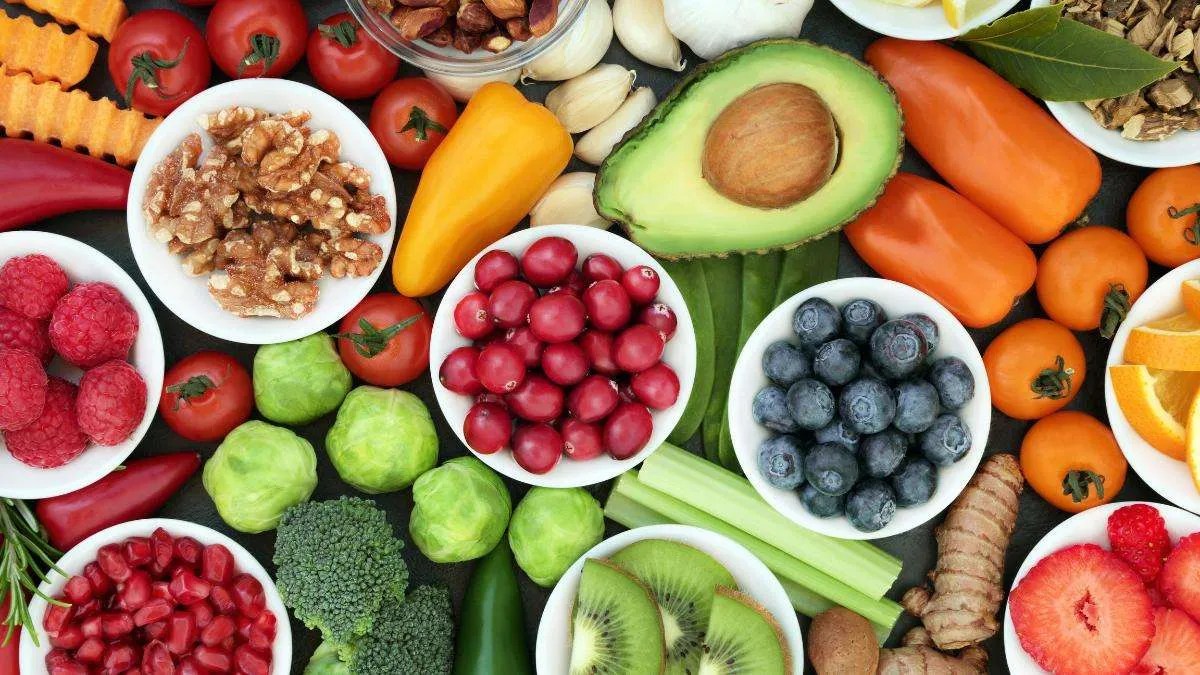
Introduction: Food as the Pulse of Civilization
Food is far more than a biological necessity; it is a vivid, sensual embodiment of culture, memory, and emotion. From the crackle of a wood-fired oven to the subtle aroma of simmering spices, food touches every sense, weaving itself into the human experience with quiet authority. Across centuries and civilizations, it has inspired revolutions, shaped identities, and brought people together in times of celebration, conflict, and healing.
In today’s world—complex, fast-paced, and often fractured—the significance of food remains undiminished. If anything, it has deepened, expanding into realms of artistry, sustainability, global politics, and emotional wellness. To understand food is, in many ways, to understand ourselves.
Food as a Cultural Archive
Every dish, whether modest or ornate, is a document of time and place. It tells stories of migration, conquest, adaptation, and creativity. Cultures across the globe have built their identities around culinary traditions, with recipes passed through generations like heirlooms.
The Geography of Taste
-
Mediterranean cuisine, with its olives, grains, and fresh produce, reflects both the region’s climate and a philosophy rooted in balance and simplicity.
-
Indian cooking, vibrant and layered, embodies centuries of spice trade, regional diversity, and religious influence.
-
Latin American fare, from tamales to ceviche, carries echoes of indigenous techniques fused with European colonization.
To eat authentically is to experience the land and soul of a culture. Food becomes a form of travel, an edible passport that transcends language and politics.
Nourishment Beyond Calories
While food’s cultural and emotional roles are profound, its primary function remains to sustain the body. Yet this physical nourishment is no longer viewed through the lens of calories alone. Today, more than ever, we understand that what we eat shapes our energy, immunity, mood, and longevity.
The Rise of Nutritional Consciousness
Modern consumers are increasingly informed, asking questions once reserved for dietitians and scientists:
-
Is this food nutrient-dense or merely filling?
-
How does sugar affect long-term brain health?
-
Can gut health influence emotional wellbeing?
These questions reflect a growing recognition that food is medicine, capable of preventing illness and enhancing vitality. Whole foods, organic produce, fermented items, and plant-based proteins have entered everyday vocabulary—not as trends, but as a return to intuitive, thoughtful eating.
Emotional Resonance: The Comfort of Food
Beyond nourishment, food holds a rare emotional gravity. Certain flavors and smells have the power to transport us instantly—back to a childhood kitchen, a long-forgotten holiday, a moment of love or loss. Food memory is among the most enduring forms of memory, etched not in words but in sensations.
The Rituals of Togetherness
-
Family dinners, however simple, create space for connection and grounding.
-
Festive meals serve as anchors of tradition—Thanksgiving, Diwali, Eid, Lunar New Year—all marked by specific, meaningful dishes.
-
Comfort foods, like a bowl of warm soup or buttery toast, soothe and stabilize during times of stress or grief.
Food, in these instances, is not about hunger. It is about belonging, ritual, and the profound human need to feel seen and nourished.
Innovation and Identity in the Kitchen
The kitchen has always been a laboratory for innovation, but in the 21st century, it has also become a stage for self-expression. Chefs, both professional and amateur, experiment not only with flavors but with identity, ethics, and storytelling. The result is a global renaissance of food creativity.
New Frontiers of Culinary Art
-
Fusion cuisine blends disparate traditions, creating bold hybrids like Korean tacos or sushi burritos.
-
Molecular gastronomy deconstructs ingredients at a chemical level, challenging our understanding of texture and taste.
-
Vegan fine dining transforms humble plant ingredients into masterpieces, proving that ethics and elegance can coexist.
In every case, the creative act of cooking becomes a mirror—reflecting not only taste but also values, heritage, and worldview.
Food, Environment, and Responsibility
As the planet strains under the weight of climate change, deforestation, and overpopulation, our food systems are under scrutiny. Agriculture is one of the largest contributors to greenhouse gases, yet it is also a space of profound potential for change.
Toward a Sustainable Table
Consumers are now making choices with the planet in mind:
-
Opting for seasonal and local produce to reduce carbon footprints
-
Supporting regenerative farming practices that enrich soil and conserve biodiversity
-
Reducing consumption of animal products, not only for health but for environmental ethics
Food is one of the most powerful levers we have for planetary change. Every meal is a vote—for the kind of world we want to live in, and the kind of legacy we hope to leave behind.
The Digital Plate: Food in the Age of Technology
Food has entered the digital era with flair. Whether through recipe blogs, cooking channels, or drool-worthy Instagram reels, food content is more accessible—and more global—than ever before.
The Pros and Pitfalls
-
Positively, digital food culture democratizes knowledge, celebrates diversity, and inspires creativity.
-
However, it can also foster unrealistic standards, wastefulness, and the prioritization of visual appeal over nutrition or authenticity.
Navigating this world requires mindfulness. As with any art form, food in the digital age must balance substance with style, purpose with presentation.
Conclusion: A Celebration Worth Savoring
To explore the meaning of food is to enter a world of richness, complexity, and deep humanity. It feeds our bodies, yes—but also our histories, our relationships, and our dreams. It is at once intimate and universal, mundane and sacred.
In a time when much divides us, the act of sharing food—across tables, cultures, and generations—remains one of our most powerful tools for unity and understanding. Let us not merely eat to live. Let us eat to connect, to honor, to remember, and above all, to celebrate the beautiful, bountiful story of life itself.

