
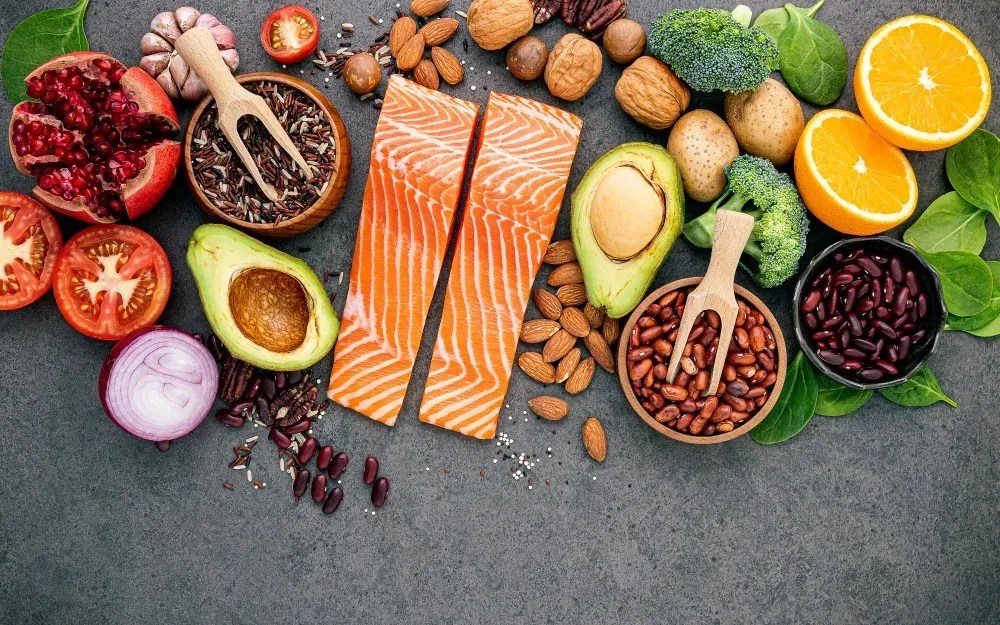
Introduction: Rethinking What It Means to Eat Well
In a society fueled by speed and convenience, healthy eating often falls victim to the myth of complexity. Many perceive it as a daunting discipline marked by deprivation and sacrifice, where pleasure is forsaken in favor of strict rules. But truly healthy eating—when approached with grace and intentionality—is neither complicated nor joyless. It is, rather, a refined act of self-care, a mindful expression of balance, and an elegant embrace of natural nourishment.
Healthy eating is not about counting calories or villainizing food groups. It is about making thoughtful decisions rooted in both science and self-awareness, where food becomes fuel, medicine, and even a quiet form of joy. This article explores the sophisticated art of healthy eating—an art that empowers, uplifts, and endures.
Understanding Healthy Eating: Simplicity, Balance, and Conscious Choice
At its core, healthy eating is about creating harmony between what the body needs and what the soul craves. It is rooted in three foundational principles: simplicity, balance, and conscious choice.
-
Simplicity emphasizes whole, natural foods over highly processed alternatives.
-
Balance encourages diversity on the plate and moderation in portions.
-
Conscious choice reminds us to eat with presence, pleasure, and purpose.
Let us explore the practical aspects and deeper insights of this holistic way of eating.
The Building Blocks of a Healthy Diet
A nourishing diet isn’t built on rules but on timeless, sensible habits. By incorporating a variety of nutrient-rich foods, one can achieve both flavor and functionality.
1. Whole Foods Over Processed Fare
The foundation of any truly healthy diet lies in its ingredients. Whole foods—those that are unprocessed or minimally processed—retain their nutritional integrity and deliver the essential vitamins, minerals, and fiber that support long-term health.
Incorporate:
-
Fresh fruits and vegetables
-
Whole grains like quinoa, barley, oats, and brown rice
-
Legumes such as lentils, chickpeas, and black beans
-
Lean proteins including eggs, fish, tofu, and poultry
-
Healthy fats from avocados, nuts, seeds, and olive oil
2. A Rainbow on Your Plate
Eating a variety of colors not only makes meals visually appealing but also ensures a broader range of nutrients.
Colorful benefits include:
-
Red (tomatoes, strawberries): Rich in antioxidants like lycopene
-
Orange (carrots, sweet potatoes): High in beta-carotene and vitamin A
-
Green (spinach, broccoli): Loaded with iron, folate, and fiber
-
Purple/Blue (blueberries, eggplant): Packed with anthocyanins for brain health
3. Portion Awareness and Satiety
Healthy eating isn’t only about what you eat but also how much. Learning to recognize true hunger and fullness can transform the way we nourish ourselves.
Mindful portion strategies:
-
Eat slowly and without distraction
-
Use smaller plates and bowls
-
Stop eating when you’re satisfied, not stuffed
4. Hydration: The Unsung Hero
Often overshadowed by food, hydration is essential for digestion, metabolism, and cellular function. Dehydration can mimic hunger, leading to unnecessary snacking.
Hydration habits:
-
Begin each morning with a glass of water
-
Carry a reusable water bottle
-
Limit sugary drinks and opt for herbal teas or infused water
The Psychology of Eating: Developing a Mindful Relationship with Food
One of the most overlooked elements of healthy eating is the emotional and psychological connection we have with food. Stress, boredom, and habit can often lead us to eat mindlessly or for reasons unrelated to hunger.
Practicing Mindful Eating
Mindful eating is a quiet revolution—a way to honor food, body, and mind all at once.
Core practices:
-
Eat without screens or distractions
-
Chew slowly and savor each bite
-
Reflect on how different foods make you feel physically and emotionally
-
Release guilt around eating and embrace food as a source of nourishment, not punishment
Practical Approaches to Everyday Healthy Eating
While the principles of healthy eating are timeless, integrating them into a modern lifestyle requires intention and adaptability.
Daily Strategies to Eat Well
-
Plan and prep meals: Having a weekly plan reduces impulsive decisions and saves time
-
Stock your kitchen smartly: Keep healthy staples on hand such as canned beans, frozen veggies, and whole grains
-
Make smart swaps: Choose baked over fried, whole grain over refined, fresh over processed
-
Eat home-cooked meals more often: Control ingredients, reduce salt and sugar intake, and build culinary confidence
-
Avoid all-or-nothing thinking: One indulgent meal doesn’t derail your health; consistency over time is what truly matters
Cultural Heritage and Healthy Traditions
Healthy eating need not be divorced from culture or tradition. In fact, traditional diets around the world often offer rich blueprints for modern wellness.
-
The Mediterranean diet: Centered on olive oil, fresh vegetables, legumes, and lean proteins
-
Japanese cuisine: Emphasizes fish, fermented foods, seaweed, and small portions
-
Indian Ayurvedic eating: Aligns meals with digestive rhythms and uses healing spices like turmeric and ginger
Exploring these global traditions can not only diversify your palate but also reconnect you with the cultural wisdom of food as sustenance and ceremony.
Long-Term Rewards of Eating with Intention
The benefits of healthy eating compound over time, touching every aspect of life. While external transformation may take time, internal shifts begin immediately—with greater energy, improved mood, and deeper connection to self.
Long-term benefits include:
-
Reduced risk of chronic illness (heart disease, diabetes, obesity)
-
Enhanced immunity and quicker recovery
-
Clearer skin, better sleep, and improved mental focus
-
Emotional resilience and a more positive self-image
-
Increased longevity and graceful aging
Conclusion: A Lifestyle of Grace and Health
Healthy eating is not a fleeting trend or temporary fix—it is a lifestyle anchored in mindfulness, balance, and joy. It asks us to slow down, pay attention, and nourish ourselves with care and curiosity. In a world brimming with noise and quick fixes, choosing to eat with intention is a bold and beautiful act of self-respect.
You needn’t be perfect. You need only be present. With each thoughtful meal, each colorful plate, each act of nourishment, you cultivate a life of energy, clarity, and quiet strength. That is the true elegance of healthy eating—and it begins with your very next bite.

