
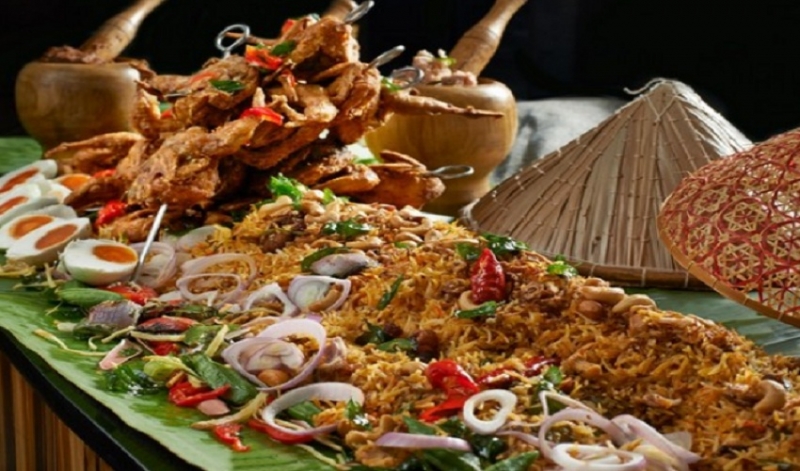
Introduction: More Than Just Sustenance
Food is far more than a biological necessity; it is a cultural cornerstone, a sensory delight, and a profound expression of identity. Across civilizations, it has shaped traditions, fostered communities, and provided comfort in times of both celebration and sorrow. In recent decades, global interest in gastronomy has surged beyond nutritional value into artistry, sustainability, and wellness. This article delves into the multifaceted nature of food, examining its cultural roots, evolving dynamics, and enduring emotional power.
The Cultural Language of Cuisine
Food is one of the most universal, yet richly diverse, aspects of human life. From the meticulous ceremonies of Japanese tea rituals to the spice-laden feasts of Indian households, culinary traditions offer a vivid reflection of a community’s history, geography, and values.
Cultural Significance:
-
Identity and Heritage: Recipes passed down through generations become vessels of cultural memory. A grandmother’s stew or a festival-specific sweet can connect individuals to their ancestral past.
-
Religion and Rituals: Many religious traditions are deeply tied to food—fasting during Ramadan, Passover seders, or Christian communion each use food symbolically.
-
Social Bonding: Meals often serve as the centerpiece of gatherings. Whether it’s a casual Sunday brunch or a grand wedding banquet, shared meals forge emotional bonds.
The Science and Art of Flavor
Beyond its cultural context, food is a playground for the senses. The interplay between flavor, texture, aroma, and appearance elevates the act of eating into an experience.
Key Elements That Define Culinary Artistry:
-
Balance: A well-composed dish achieves harmony among salty, sweet, sour, bitter, and umami.
-
Texture Contrast: Crispy paired with creamy, soft juxtaposed with chewy—these combinations stimulate the palate.
-
Presentation: Visual appeal is often the first impression. Artistic plating can enhance perceived taste and value.
-
Aromatics: Herbs, spices, and cooking techniques like charring or fermenting deepen complexity and aroma.
Chefs around the world now blur the line between food and fine art, using molecular gastronomy and avant-garde techniques to reinvent traditional fare.
Nutrition: The Conscious Shift Toward Wellness
In the modern era, food consciousness has pivoted significantly toward health and well-being. The rise in chronic illnesses linked to poor diet has fueled a movement toward intentional, informed eating.
Emerging Dietary Trends:
-
Plant-Based Eating: Once a niche preference, vegetarian and vegan diets are now embraced for both ethical and health benefits.
-
Functional Foods: Items rich in antioxidants, probiotics, and adaptogens are favored for their purported health benefits.
-
Mindful Eating: This philosophy emphasizes awareness of hunger cues, emotional triggers, and the act of eating itself to prevent overconsumption.
Consumers are increasingly interested in labels, sourcing, and sustainability, demanding transparency from food producers and championing organic and locally-sourced goods.
Food as a Medium of Innovation
Technology and globalization have dramatically redefined our relationship with food. From lab-grown meat to AI-generated recipes, the future of dining is becoming increasingly inventive.
Notable Innovations:
-
Alternative Proteins: Innovations in plant-based and cultivated meats aim to combat the environmental impact of livestock farming.
-
Smart Kitchens: Appliances integrated with AI help optimize cooking time, reduce waste, and personalize dietary recommendations.
-
Food Delivery Evolution: With apps, drone deliveries, and cloud kitchens, the modern consumer can access global cuisines with a few taps.
Such advancements are not just conveniences; they’re reshaping the global food economy and our everyday culinary expectations.
The Emotional Landscape of Food
While food nourishes the body, its impact on the soul is equally potent. We eat not only to survive but to feel joy, nostalgia, love, and even grief.
Emotional Dimensions:
-
Comfort Food: A bowl of chicken soup or a favorite childhood dish can evoke a sense of safety and warmth.
-
Celebratory Symbolism: Cake on birthdays or turkey at Thanksgiving—these are edible markers of life’s milestones.
-
Coping Mechanism: During periods of stress or loss, food often serves as both solace and distraction.
The psychology of eating intertwines with memory and mood, making food an inextricable part of emotional life.
Sustainability and the Ethical Plate
With the climate crisis looming, food systems are under scrutiny. The carbon footprint of meat production, the ethics of factory farming, and the epidemic of food waste have sparked global discourse.
Sustainable Practices:
-
Zero-Waste Cooking: Chefs and home cooks alike are finding creative ways to use peels, stems, and leftovers.
-
Regenerative Agriculture: Farming practices aimed at restoring soil health and biodiversity are gaining momentum.
-
Ethical Consumerism: Shoppers are making choices that support fair trade, humane treatment of animals, and eco-friendly packaging.
Mindful food consumption is no longer optional; it is a responsibility shared by all.
Conclusion: The Timeless Table
Food, in all its complexity, remains one of the most intimate and universal aspects of the human experience. Whether viewed through the lens of culture, science, health, innovation, emotion, or ethics, food serves as a mirror to society and a canvas for creativity. In a rapidly changing world, our connection to food may be one of the few constants—inviting us to pause, savor, and share.
To eat is to live, but to truly appreciate food is to celebrate the intricate tapestry of life itself.

