
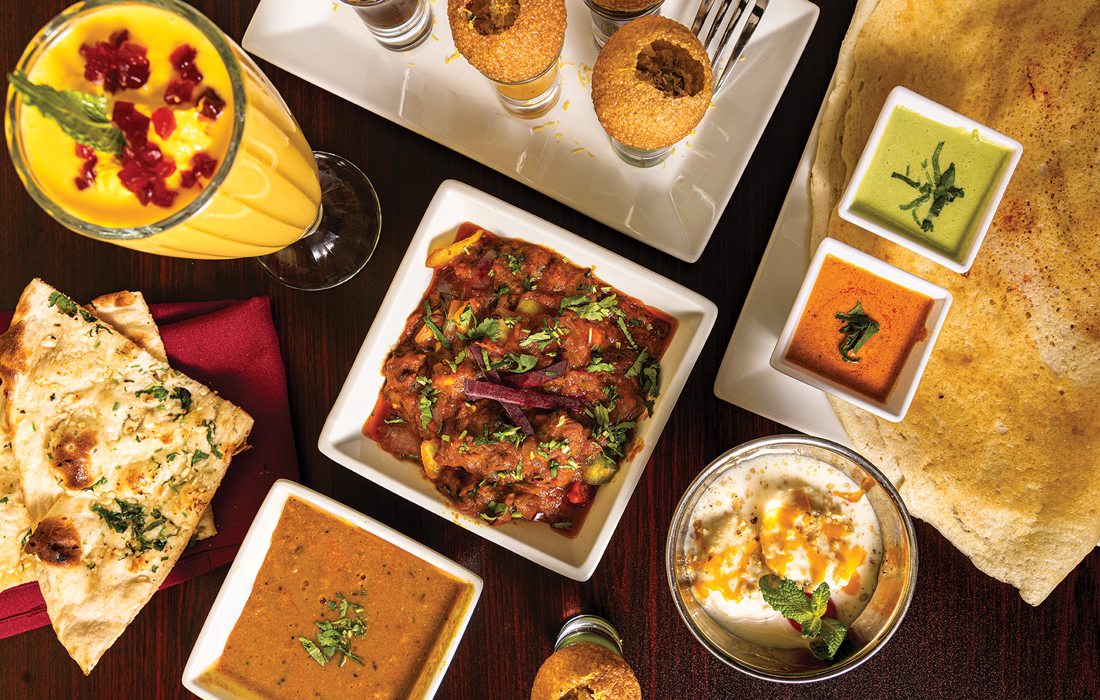
Introduction: The Flavor Beyond the Fork
In today’s gastronomic landscape, where dining has transcended necessity to become an expressive art form, food reviews stand at the crossroads of taste and storytelling. More than just a record of dishes sampled, they serve as cultural commentary, culinary critique, and personal narrative—all seasoned with insight and experience. A compelling food review not only reflects the dish on the plate but also frames the ambiance, service, and subtle intricacies that form the soul of a dining experience. In a world where digital influence is as potent as word of mouth, the role of the food reviewer has never been more relevant—or more powerful.
The Modern Evolution of Food Reviewing
Historically, food reviews were the domain of elite critics with access to high-end establishments and prestigious print columns. Their words were definitive, often written anonymously and capable of making or breaking a restaurant’s fate. Fast forward to the digital age, and food reviewing has become democratized, finding a home across blogs, Instagram reels, TikTok videos, and YouTube channels. This shift has transformed the critic from a faceless authority to a relatable personality, someone whose preferences and biases are openly shared with followers.
Despite the change in medium and tone, the essence remains: food reviews continue to influence public opinion, dictate dining trends, and contribute to the broader culinary conversation. Today’s reviewers—whether professional journalists or passionate foodies—must walk a fine line between personal taste and objective assessment, capturing the intangible allure of a dining experience.
The Anatomy of a Well-Crafted Food Review
A successful food review is not simply a verdict—it is a narrative guided by the five senses and shaped by critical awareness. The following elements distinguish a memorable review from a forgettable one:
1. Descriptive Sensory Language
-
Vivid descriptions elevate a review from bland commentary to immersive storytelling
-
Highlighting texture, temperature, aroma, presentation, and flavor dynamics helps the reader visualize and almost taste the food
-
Use of metaphors or analogies can add elegance and emotional resonance
2. Contextual Intelligence
-
Understanding the restaurant’s identity is crucial—Is it a rustic, farm-to-table eatery or a refined French bistro?
-
A reviewer must consider the chef’s intention, the cultural heritage of the cuisine, and the expectations set by price and setting
3. Balance and Fairness
-
Offering constructive criticism without sarcasm or condescension shows respect for the craft
-
Praise should be measured and earned, not lavished indiscriminately
-
A balanced review acknowledges both strengths and areas for improvement
4. Service and Setting Evaluation
-
Attentiveness, warmth, and timing in service can elevate or diminish the overall experience
-
Ambience, lighting, cleanliness, and even background music are essential atmospheric elements
5. Structure and Style
-
A logical flow—from arrival to dessert—keeps the reader engaged
-
Paragraphs should transition smoothly, with varied sentence length to create rhythm and avoid monotony
-
Tone should reflect the personality of the reviewer while maintaining a sense of professionalism
The Ethical Backbone of Reviewing
While the modern food review may take many forms, from blog posts to five-star ratings, credibility is its cornerstone. Integrity in reviewing means:
-
Transparency: Disclosing any affiliations, free meals, or partnerships with establishments
-
Cultural Sensitivity: Avoiding ethnocentric judgments or misrepresentations of unfamiliar cuisines
-
Authenticity: Writing from genuine experience rather than trend-chasing or viral appeal
-
Consistency: Applying the same critical lens across different types of dining—from street vendors to Michelin-starred restaurants
The true reviewer is not swayed by hype or aesthetics alone but strives to present a holistic and honest account of their experience.
The Impact of Reviews on Restaurants and Consumers
For restaurants, a single review can become a pivotal moment. A glowing write-up in a respected publication may catapult a small café into the limelight, while a viral negative post could trigger a cascade of cancellations. The stakes are particularly high for new establishments trying to carve a niche in competitive culinary hubs.
From the consumer’s perspective, reviews serve as trusted guides. Whether planning a romantic anniversary dinner or exploring a foreign city’s street food, diners turn to reviewers for assurance, inspiration, and insight. Reviews help demystify menus, set expectations, and encourage culinary exploration.
Moreover, reviews often spotlight unsung heroes—family-run kitchens, immigrant-owned eateries, or chefs experimenting with sustainability and innovation. By giving voice to these players, reviewers contribute to a more inclusive and diverse food narrative.
Social Media and the Rise of Visual Reviewers
The advent of platforms like Instagram, TikTok, and YouTube has given rise to a new breed of food critic: the visual storyteller. These influencers rely on aesthetic appeal, facial reactions, and concise commentary to capture attention. While critics may question the depth of such reviews, their impact is undeniable.
Benefits of Visual Reviews:
-
Instant engagement through stunning photography or engaging video formats
-
Real-time feedback from audiences via comments and shares
-
Accessibility to broader audiences, including those who prefer visual learning
Drawbacks to Consider:
-
Risk of prioritizing appearance over taste or substance
-
Limited space for in-depth critique or context
-
Susceptibility to bias from sponsored content or trends
The most effective digital reviewers merge aesthetic with insight, offering layered perspectives that educate and entertain.
The Future of Food Reviews
As technology continues to evolve, so too will the tools and platforms for food reviewing. Augmented reality dining previews, AI-assisted recommendations, and voice-activated food search engines are all on the horizon. Yet no matter how sophisticated the medium becomes, the essence of a great review remains rooted in human experience: a shared meal, a keen observation, a thoughtfully chosen word.
Culinary culture thrives when storytelling accompanies sustenance. Food reviews will continue to play a vital role in this ecosystem—not as infallible verdicts, but as invitations to taste, to reflect, and to connect.
Conclusion: A Delicate Craft, A Delicious Duty
Writing about food demands more than just a discerning palate—it calls for empathy, elegance, and eloquence. A well-written review captures not only what was eaten but how it made the reviewer feel, what it revealed about its origins, and why it mattered. When done right, a food review is more than a recommendation; it is a record of discovery, a tribute to craftsmanship, and a celebration of the universal language of flavor. Whether read in print or watched on a screen, the best reviews leave a lingering taste—one that invites the reader not only to dine, but to savor.

