
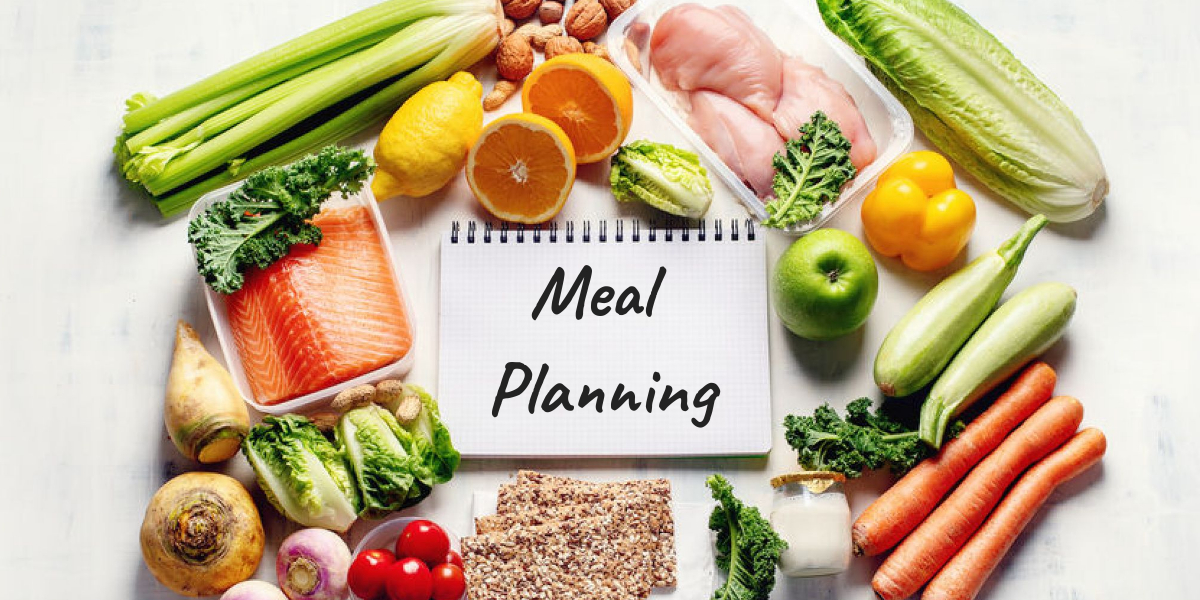
In an increasingly fast-paced world, the simple act of sitting down to a home-cooked meal can feel almost revolutionary. Yet, behind each thoughtfully prepared plate lies a quiet discipline—meal planning and preparation—a practice that not only nourishes the body but enhances daily living with intentionality and grace.
Meal planning is more than a buzzword found in fitness circles or Pinterest boards. At its core, it is an empowering tool that blends practicality with artistry. When approached mindfully, it becomes a rhythm—one that calms the chaos of mealtime decisions, curbs food waste, and uplifts one’s health and household routine. Let’s explore how to turn this often-overlooked habit into a weekly ritual worth savoring.
The Elegance of Preparation: Why Meal Planning Is a Lifestyle Upgrade
Few daily tasks offer such a return on investment as meal planning. It’s not just about what’s on your plate—it’s about reclaiming control over your time, budget, and well-being. The benefits go far beyond convenience.
Key Benefits of Meal Planning:
-
Clarity and Confidence: Knowing what you’ll eat each day eliminates the dreaded “What’s for dinner?” stress.
-
Healthier Choices: Planning ahead prevents impulsive takeout and promotes well-balanced meals.
-
Time Efficiency: Streamlined grocery shopping and reduced daily cooking time mean more hours reclaimed each week.
-
Financial Savvy: Fewer last-minute purchases and better use of ingredients lead to noticeable savings.
-
Reduced Waste: Intentional shopping means less forgotten food languishing in the back of the fridge.
In essence, meal planning isn’t restrictive—it’s liberating.
Starting with Vision: Crafting a Weekly Meal Plan That Works
At the heart of every successful meal plan is a bit of thoughtful foresight. You don’t need elaborate spreadsheets or culinary training to begin. What you do need is a clear understanding of your week’s rhythm and your household’s tastes.
Step 1: Reflect on the Week Ahead
Ask yourself:
-
Which evenings are busy or require a quick meal?
-
Are there days suited for more elaborate cooking?
-
Do you need to plan for lunches, snacks, or breakfast on-the-go?
This step ensures your plan is tailored to your lifestyle, not someone else’s routine.
Step 2: Choose a Culinary Anchor for the Week
Whether it’s a theme (Mediterranean, comfort food, plant-based), a main ingredient (chicken, lentils, squash), or a cooking style (slow cooker, sheet pan), establishing a theme helps guide recipe choices and reduces decision fatigue.
Step 3: Select Recipes Mindfully
Aim for variety, but not so much that your plan becomes overwhelming.
-
One-pot dishes for minimal cleanup
-
Freezer-friendly meals for future convenience
-
Family favorites for guaranteed satisfaction
-
A new recipe to keep the process exciting
Consider cooking meals that share ingredients, such as using roasted vegetables in both grain bowls and omelets.
Step 4: Build a Flexible Shopping List
Group your list by category: produce, pantry, dairy, protein, etc. Check your cupboards before heading to the store to avoid duplicates. Don’t forget staples like olive oil, herbs, and stock that enhance flavor without effort.
The Prep That Powers Your Week: Strategies for Success
Once your plan and groceries are in place, it’s time to prep. This doesn’t always mean fully cooked meals—it can be as simple as chopping vegetables or marinating proteins.
Efficient Meal Prep Techniques:
-
Batch Cooking: Prepare double portions of soups, grains, or proteins for multiple uses.
-
Pre-portion Ingredients: Separate chopped veggies or pre-measured spices into containers for grab-and-go cooking.
-
Make-Ahead Breakfasts: Overnight oats, smoothie packs, or egg muffins save time on busy mornings.
-
Smart Storage: Use clear, labeled containers and store items in order of use for easy access.
Pro Tip:
Invest in a few high-quality tools—a sharp chef’s knife, glass containers, and a digital timer. Good tools not only improve efficiency but elevate the experience.
Keeping It Sustainable: Meal Planning That Endures
The key to long-term success with meal planning is sustainability. It should fit naturally into your lifestyle, not feel like a burdensome task.
Tips to Make Meal Planning a Lasting Habit:
-
Start Small: Even planning just three dinners a week can have a significant impact.
-
Build a Recipe Rotation: Maintain a list of 15–20 tried-and-true meals to rotate over time.
-
Adapt and Adjust: Life changes—so should your meal plan. Allow room for spontaneity.
-
Celebrate the Ritual: Set aside a peaceful time to plan your meals. Light a candle, sip a coffee or tea, and enjoy the process.
When it’s treated as a ritual rather than a routine, meal planning becomes a gentle anchor in a hectic week.
The Emotional and Social Side of Food
One often-overlooked aspect of meal planning is the emotional nourishment it provides. Meals bring people together. When thoughtfully prepared, food becomes a language of love and intention.
Whether it’s a lovingly packed school lunch, a cozy weeknight dinner for two, or a hearty Sunday stew shared with friends, planned meals carry with them the energy of foresight and care. In this way, meal planning is as much about connection as it is about calories.
Final Reflections: A Mindful Way to Nourish
In a culture that often prizes speed over depth, meal planning and preparation invite us to slow down and take back control—not just over what we eat, but over how we live.
It’s not about perfection. It’s about alignment. Aligning your meals with your values, your schedule, and your desire to feel grounded and well-fed. As with most worthwhile pursuits, consistency is key. With time, meal planning becomes second nature—a quiet, steady act of self-respect and care.
So next Sunday, take a pause. Open your calendar, jot down a few meals, and head to the market with intention. What you’re planning isn’t just food—it’s nourishment, structure, creativity, and peace of mind. And that, truly, is a beautiful thing.

