
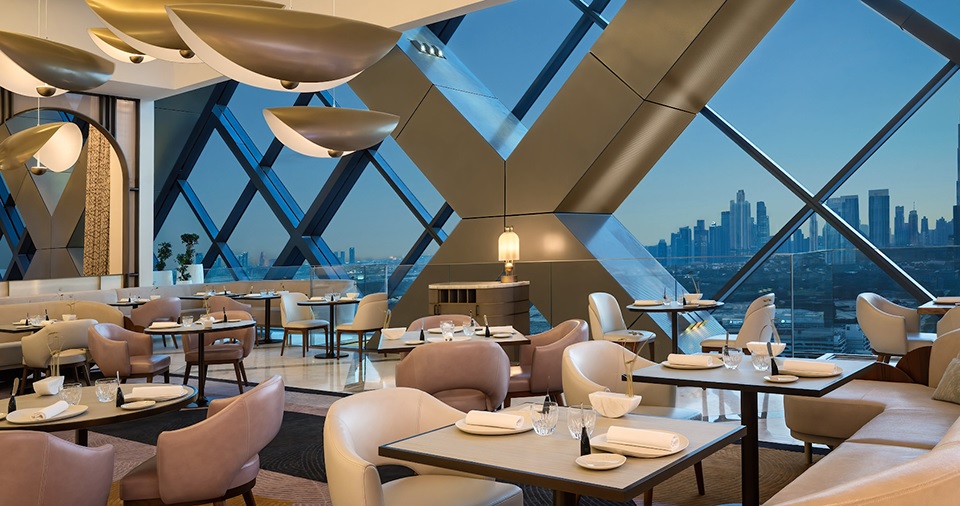
In today’s fast-paced world, the restaurant remains a cherished haven—a place where culinary mastery, ambiance, and human connection converge. Far beyond simply providing food, restaurants serve as cultural landmarks, social hubs, and canvases for artistic expression. The experience they offer is carefully curated, combining sight, smell, taste, and touch in a way that transforms dining into an event. This article explores the essence of restaurants, their historical roots, the elements that shape their identity, and the challenges and opportunities that define the contemporary dining landscape.
A Brief History: From Communal Tables to Individual Experiences
The concept of eating outside the home has ancient origins. Early civilizations hosted taverns and inns, where travelers could find sustenance and shelter. However, the modern restaurant, with its emphasis on individual choice and specialized menus, emerged in 18th-century France. This pivotal shift allowed diners the freedom to select dishes à la carte, setting the stage for today’s diverse dining culture.
As time progressed, restaurants became more than just eateries—they evolved into places of social gathering, cultural exchange, and gastronomic innovation. Today’s global culinary scene reflects centuries of adaptation and creativity.
The Components of a Memorable Restaurant Experience
To truly understand what makes a restaurant special, one must look beyond the food to the intricate interplay of atmosphere, service, and social dynamics.
Ambiance: More Than Decor
Ambiance is the silent architect of the dining experience. Carefully considered lighting, music, furniture, and décor create moods that range from intimate and cozy to vibrant and celebratory. The environment primes diners’ expectations and influences how they perceive the meal. A dimly lit room with soft jazz invites reflection and slow savoring, while a lively café pulses with energy and conversation.
Culinary Excellence: The Heartbeat of Dining
The cuisine itself is the cornerstone of any restaurant. Culinary expertise involves skillful preparation, balanced flavors, and artistic presentation. Great chefs merge technique with creativity, turning simple ingredients into narratives on a plate. The best dishes tell stories of place, tradition, and innovation, inviting guests to explore new tastes and textures.
Service: The Human Connection
Service often distinguishes a good restaurant from a great one. It requires attentiveness, empathy, and finesse. Staff who anticipate guests’ needs, provide thoughtful recommendations, and maintain a graceful presence contribute significantly to the overall enjoyment. Effective service cultivates a sense of welcome and ease, enhancing the meal’s pleasure.
Social Interaction: The Restaurant as a Gathering Place
Restaurants are vital social arenas. Whether for intimate dinners, family celebrations, or business lunches, these spaces foster connection. They serve as backdrops for laughter, conversation, and shared memories. The communal nature of dining taps into a fundamental human desire for belonging and togetherness.
Types of Restaurants: Catering to Diverse Tastes and Occasions
The restaurant industry is vast and varied, with establishments tailored to different needs, tastes, and atmospheres. Some common categories include:
-
Fine Dining: Characterized by luxurious surroundings, meticulous service, and complex menus, fine dining restaurants provide elevated experiences ideal for special occasions.
-
Casual Dining: Offering approachable menus in relaxed settings, these venues serve everyday meals with a focus on comfort and quality.
-
Fast Food: Prioritizing speed and convenience, fast food chains deliver consistent, affordable fare, often standardized across locations.
-
Cafés and Bistros: Smaller, intimate spaces that emphasize light meals, coffee, and a relaxed atmosphere conducive to socializing or solitary respite.
-
Ethnic and Specialty Restaurants: Celebrating regional or cultural cuisines, these establishments introduce diners to authentic flavors and traditions.
-
Pop-ups and Food Trucks: Flexible, innovative formats that reflect contemporary trends and allow chefs to experiment outside traditional bricks-and-mortar venues.
Challenges Facing the Modern Restaurant Industry
Running a restaurant today is an intricate balancing act. Operators must navigate:
-
Consistency: Maintaining high standards across all services and dishes day after day.
-
Cost Control: Managing rising ingredient prices, labor expenses, and overhead while keeping menus affordable.
-
Health and Safety: Complying with stringent regulations and ensuring customer well-being.
-
Evolving Consumer Preferences: Meeting demands for sustainability, dietary inclusivity, and unique experiences.
-
Technological Integration: Embracing online reservations, delivery apps, digital menus, and social media engagement to remain competitive.
The Future of Restaurants: Innovation with Heart
The future promises exciting developments. Sustainability initiatives, such as farm-to-table sourcing and zero-waste kitchens, are becoming the norm rather than the exception. Technology enhances personalization and convenience, from AI-powered ordering systems to virtual reality dining experiences.
Yet, amidst these innovations, the core values of hospitality, quality, and authentic connection remain central. Restaurants that honor these principles while embracing change will continue to captivate diners and thrive.
Conclusion: Why Restaurants Matter
Restaurants represent a timeless facet of human culture—a place where food transcends nourishment to become art, ritual, and social glue. They invite us to pause, indulge, and connect in an increasingly fragmented world. Each meal served carries the potential for discovery, joy, and shared experience.
In essence, restaurants are much more than places to eat. They are venues where stories unfold, traditions evolve, and memories are created. The restaurant experience is an eloquent reminder that dining is as much about people and place as it is about the food on the plate.

