
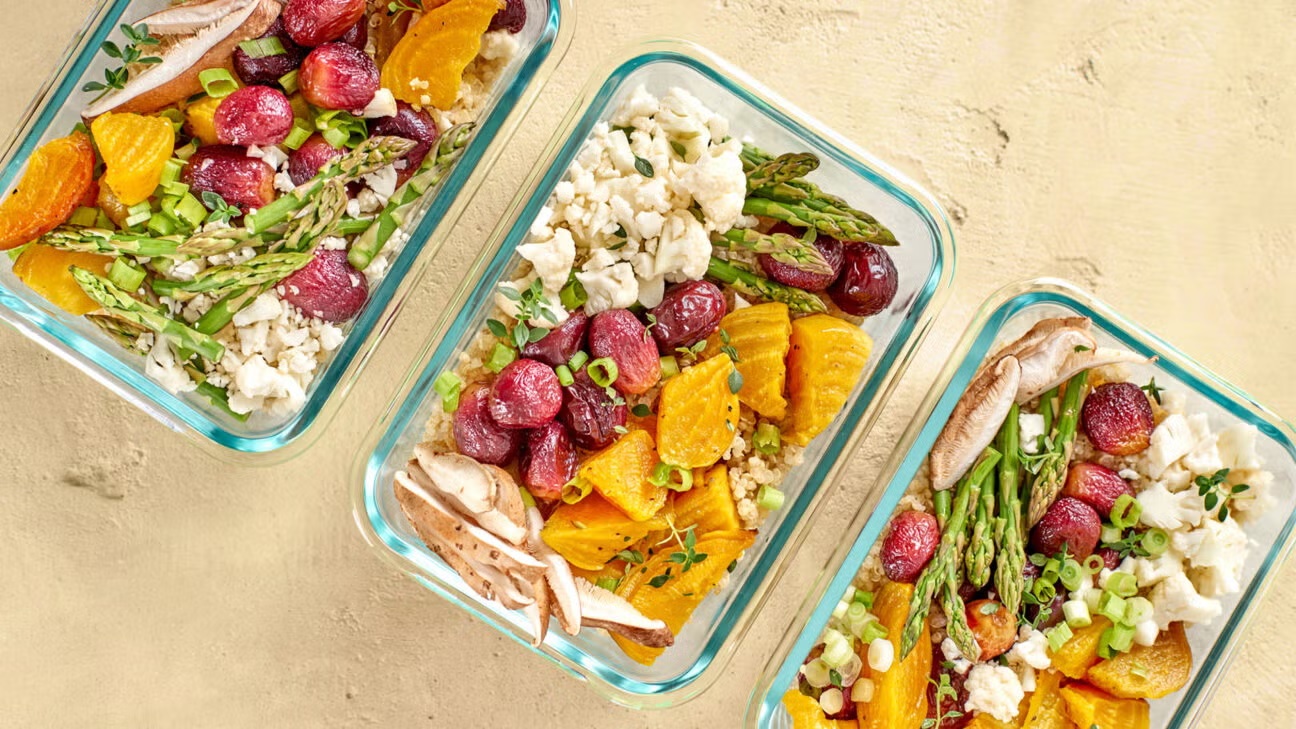
In an age where time is a rare luxury and wellness has taken center stage, meal planning and preparation have evolved from mundane chores into empowering lifestyle habits. Far beyond simply deciding what to eat, mastering this art means taking control of your nutrition, reducing stress, minimizing waste, and ultimately crafting a daily rhythm that supports your goals—whether they be health, productivity, or family cohesion.
This article dives deep into the world of meal planning and prep, exploring its practical advantages, how to make it sustainable, and the refined strategies that turn it into an enjoyable weekly ritual.
Why Meal Planning Matters More Than Ever
Gone are the days when the dinner table was set without forethought. With today’s fast-paced lifestyles, many people find themselves overwhelmed by daily food decisions, frequently falling into the trap of last-minute takeout or nutritionally unbalanced meals. This chaos doesn’t just compromise health—it drains energy, time, and finances.
Benefits of Meal Planning:
-
Saves Time: Planning in advance reduces daily decision-making and streamlines grocery shopping.
-
Improves Nutrition: Thoughtful planning ensures more balanced, nutrient-dense meals.
-
Reduces Food Waste: Knowing exactly what you’ll cook helps avoid unnecessary purchases.
-
Saves Money: Fewer impromptu food deliveries and more efficient grocery lists keep costs down.
-
Supports Wellness Goals: Whether you’re trying to lose weight, manage a condition, or simply feel better, meal prep allows full control over ingredients and portion sizes.
In short, meal planning isn’t just for athletes and busy parents—it’s a lifestyle enhancement that serves everyone.
Setting the Foundation: Smart Meal Planning Strategies
Before you ever lift a knife or fire up the oven, the first step to success lies in the plan. This isn’t about rigid menus or culinary perfection; it’s about having a clear, practical approach that aligns with your lifestyle.
1. Assess Your Schedule
Start by mapping out your week. Consider:
-
Work and family commitments
-
Evenings out or social events
-
Workout days (which may require extra nutrition)
This allows you to realistically plan which days require quick meals, leftovers, or more elaborate cooking.
2. Choose a Planning Day
Select one day each week—typically a weekend—to plan your meals. It should become as routine as grocery shopping itself.
3. Balance Your Plate
A well-balanced meal includes:
-
A lean protein (chicken, tofu, fish, legumes)
-
A healthy carbohydrate (quinoa, brown rice, sweet potato)
-
A variety of vegetables
-
A source of healthy fat (avocado, olive oil, nuts)
Thinking in terms of components rather than strict recipes helps maintain variety while simplifying the process.
4. Create a Master Meal List
Keep a rotating list of favorite dishes. This reduces decision fatigue and ensures that your meal planning doesn’t feel like reinventing the wheel every week.
Meal Prep Techniques That Streamline Your Week
Once your plan is in place, the second phase begins: prep. Effective meal prep doesn’t necessarily mean cooking every meal in advance—it’s about organizing your ingredients and workflow to make daily cooking effortless.
Batch Cooking
Cook large portions of key components (like grains, roasted vegetables, or proteins) and use them in various combinations throughout the week.
Chop Ahead
Wash and chop vegetables in advance and store them in airtight containers. This step alone can save up to 20 minutes per meal.
Sauce and Marinade Prep
Flavor is key. Make a few versatile sauces—such as tahini dressing, chimichurri, or peanut sauce—and keep them refrigerated. They can transform basic meals into something special.
Use Containers Wisely
Invest in a set of high-quality glass or BPA-free plastic containers in varying sizes. Portion meals in advance or store ingredients separately for mix-and-match flexibility.
Label and Date
Always label your containers with contents and preparation dates. This helps with freshness and prevents food from being forgotten in the back of the fridge.
Elevating the Experience: Meal Prep with Elegance
Meal planning, at its best, is not merely functional—it’s creative and even indulgent in its own way. With a bit of intention, it becomes a weekly act of self-care and expression.
Curate Your Environment
Play music, light a candle, pour a glass of wine or tea—make meal prep time feel like a nourishing ritual, not a chore.
Involve the Family
Turn it into a bonding activity. Children can help with washing vegetables or labeling containers, while partners can assist with chopping or assembling.
Embrace Seasonality
Plan meals based on what’s fresh and in season. Not only does this elevate flavor, but it also adds natural variety throughout the year.
Try One New Recipe
Include just one new dish each week to keep things fresh and exciting without overwhelming your schedule.
Common Pitfalls and How to Avoid Them
Even the most seasoned planners encounter challenges. Being aware of potential missteps can help you stay on track.
-
Overambitious Plans: Don’t plan seven unique meals if your schedule only allows for four.
-
Lack of Flexibility: Leave room for spontaneity—life happens.
-
Monotony: Rotate ingredients or themes (Mediterranean one week, Asian-inspired the next).
-
Storage Issues: Make sure your fridge and containers can handle the volume of prepped food.
Final Thoughts: A Gentle Art of Living Well
Meal planning and prep are about far more than food. They are about intentional living—designing your days around nourishment, not haste. It’s a simple act that brings with it a cascade of benefits: more time, more peace, and more presence around the table.
You don’t need to be a gourmet chef or a time-management wizard to reap the rewards. With practice, the system becomes second nature, offering both structure and freedom. In a world of constant motion, that balance is nothing short of luxurious.
So the next time you find yourself staring blankly into the fridge, consider taking a step back—and a step into the graceful rhythm of meal planning and prep.

